
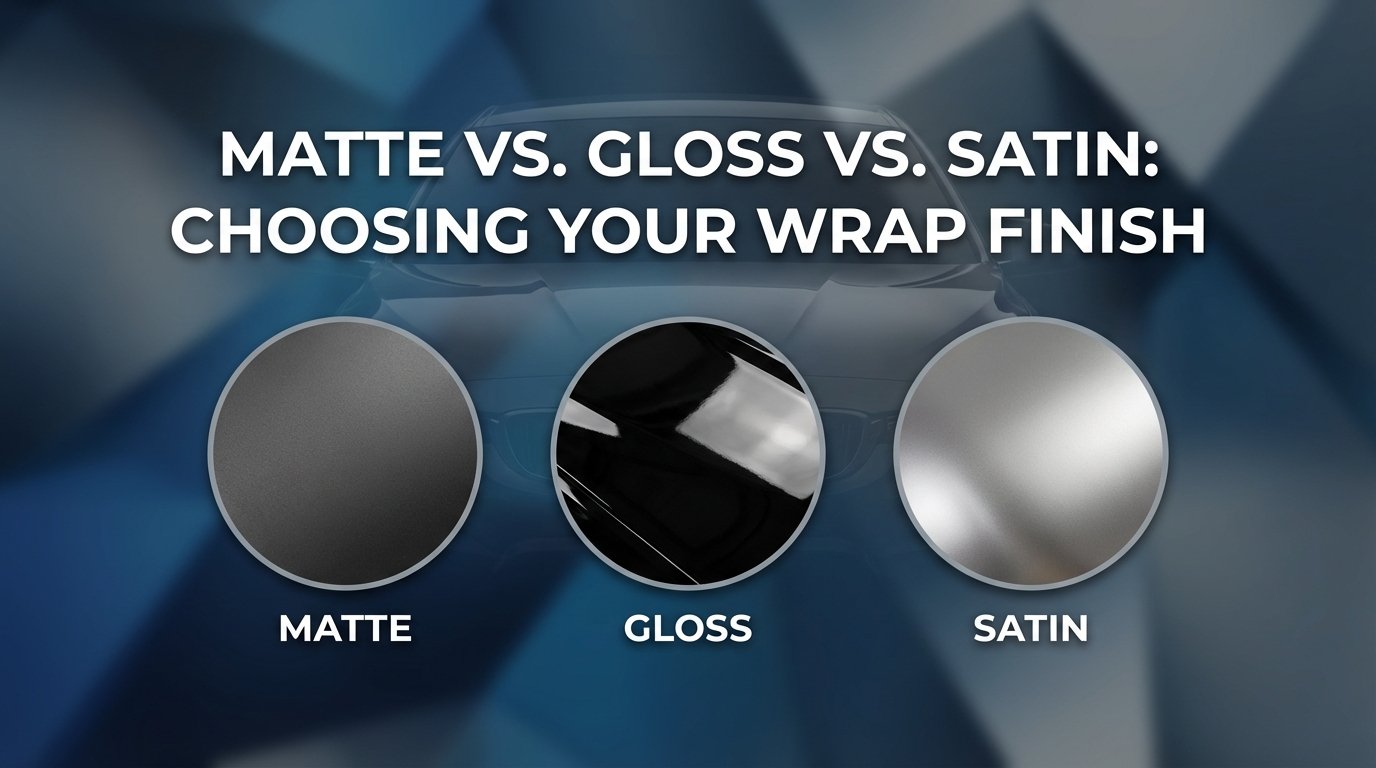
The finish you choose for your vehicle wrap affects more than aesthetics—it influences maintenance requirements, durability characteristics, and the visual impact of your brand or personal statement. While gloss finishes dominated the vinyl wrap industry for years, advances in material technology have made matte and satin finishes equally durable and increasingly popular among discerning clients.
Understanding the technical differences between these finishes helps you make an informed decision that aligns with your vehicle’s purpose, brand identity, and maintenance capabilities.
Gloss Finishes: The Classic Standard
Gloss vinyl wraps deliver high-shine results that closely mimic factory automotive paint. The reflective surface creates depth in darker colors and vibrant brilliance in brighter hues. For commercial fleets, gloss finishes offer maximum visibility and color saturation, making logos and graphics stand out in traffic and parking lots.
Technical Characteristics of Gloss Wraps
Premium gloss vinyl from manufacturers like 3M features a clear protective layer over the colored film, providing UV resistance and preventing color degradation. This topcoat enables easier cleaning compared to matte alternatives, as dirt and contaminants don’t embed into the surface texture.
The smooth surface of gloss vinyl allows water to bead and roll off efficiently, reducing water spotting issues. This characteristic proves particularly valuable in South Florida’s frequent afternoon rain showers, where water quality varies by municipality and can leave mineral deposits on surfaces.
When Gloss Makes Sense
Commercial vehicles benefit from gloss finishes when brand colors need precise matching to existing marketing materials. The reflective quality of gloss vinyl reproduces Pantone colors more accurately than textured finishes, ensuring consistency across all brand touchpoints.
Gloss wraps also make practical sense for businesses that lack dedicated vehicle maintenance protocols. A driver can run the wrapped vehicle through a touchless car wash without special considerations, maintaining professional appearance with minimal effort.
Matte Finishes: Sophisticated and Distinctive
Matte wrap finishes have transformed from novelty to mainstream preference, particularly among luxury vehicle owners seeking understated elegance. The non-reflective surface creates a unique visual signature that photographs exceptionally well and stands apart from traditional glossy vehicles.
Understanding Matte Vinyl Technology
Quality matte vinyl incorporates microscopic texture into the surface layer that diffuses light rather than reflecting it. This texture serves a functional purpose beyond aesthetics—it can help mask minor surface imperfections in the underlying paint or substrate.
The trade-off involves more demanding maintenance requirements. The textured surface can trap dirt particles, requiring hand washing with appropriate cleaning solutions rather than automated car washes. Clients who choose matte wraps need realistic expectations about this ongoing commitment.
Matte Wrap Applications
High-end automotive customization gravitates toward matte finishes for their exclusivity factor. A matte black wrap on a luxury vehicle conveys sophistication that gloss black cannot replicate. Similarly, matte white creates a clean, modern aesthetic popular with contemporary brand identities.
The finish works exceptionally well for accent elements on otherwise gloss vehicles. Racing stripes, roof wraps, or hood accents in matte finish create visual contrast that adds depth to the overall design without requiring additional colors.
Satin Finishes: The Middle Ground
Satin vehicle wraps occupy the sweet spot between gloss and matte, delivering subtle reflectivity with reduced shine. This finish category has gained significant traction as clients discover its practical advantages and distinctive appearance.
The Technical Advantage of Satin
Satin vinyl provides approximately 40-50% of the reflectivity of gloss finishes, creating gentle light play across vehicle surfaces. This characteristic makes satin particularly effective for complex vehicle curves and body lines, as the moderate reflection emphasizes contours without creating harsh glare.
From a maintenance perspective, satin finishes offer forgiveness that matte cannot match while delivering more character than standard gloss. The slightly textured surface hides minor scratches and swirl marks better than high-gloss alternatives, extending the pristine appearance between detailed cleanings.
Satin in Commercial Applications
Progressive brands leverage satin finishes to differentiate their fleet presence. The finish communicates premium positioning without the maintenance demands of matte or the conventional appearance of gloss. For businesses operating mixed fleets, satin provides uniformity across different vehicle types and colors.
Real estate companies particularly favor satin white or satin black for their vehicle graphics, as the finish photographs consistently well in various lighting conditions—critical for social media content and marketing materials.
Wrap Finish Comparison: Durability and Longevity
When clients invest in professional-grade vinyl wraps, they rightfully expect long-term performance. The finish type influences longevity, though proper installation and maintenance matter more than the surface texture itself.
UV Resistance Across Finishes
Premium vinyl wraps from 3M or Avery Dennison incorporate UV inhibitors regardless of finish type. However, gloss finishes typically show UV degradation more gradually because the smooth topcoat maintains its protective qualities longer. Matte finishes may show fading slightly sooner in intense sun exposure, though the difference with quality materials amounts to months rather than years.
In South Florida’s intense UV environment, all finishes require the same consideration: covered parking when possible, and realistic expectations about the 5-7 year lifespan for horizontal surfaces that face direct sunlight.
Scratch and Scuff Resistance
Matte and satin finishes disguise minor surface damage better than gloss, but they’re not more resistant to actual damage. A key sliding across any vinyl finish creates similar damage—the difference lies in visibility. Gloss shows every imperfection, while textured finishes camouflage minor issues within their surface pattern.
Maintenance Requirements by Finish Type
Understanding daily care requirements helps clients make realistic decisions based on their commitment level and resources.
Gloss Maintenance Protocol
Gloss wraps tolerate automated touchless car washes, though hand washing produces better results. Standard car wash soap works fine, and wax products designed for vinyl wraps can enhance shine and add protection. The smooth surface makes gloss the lowest-maintenance option for busy commercial fleets.
Matte and Satin Care Considerations
Both matte and satin finishes require hand washing with pH-neutral soap and microfiber wash mitts. Never use traditional car wax on matte finishes—it creates unwanted shine and uneven gloss spots. Specialized matte finish sealants exist for clients who want added protection without altering the surface appearance.
For commercial clients, this maintenance requirement becomes a business decision: do drivers have access to proper cleaning supplies and knowledge? Will the wrapped vehicles receive regular attention, or do they need a more forgiving finish?
Luxury Car Wrap Options: Matching Finish to Vehicle Character
Exotic and luxury vehicles present unique considerations when selecting wrap finishes. The goal isn’t merely covering the vehicle—it’s enhancing its design language and owner’s vision.
Performance vehicles with aggressive styling often suit matte or satin finishes that emphasize their angular body lines. The reduced reflection allows the eye to appreciate sculptural qualities without distraction. Conversely, classic or elegant luxury vehicles may benefit from gloss finishes that complement their refined proportions.
Color-changing wraps—those with flip or metallic effects—perform differently across finish types. These specialty films often work best in satin finish, as it provides enough reflection to showcase the color shift without overwhelming the effect.
Making Your Decision: Key Considerations
Several factors should guide your finish selection beyond pure aesthetics:
Brand Identity Alignment
Does your brand communicate traditional reliability or cutting-edge innovation? Gloss finishes often align with established, trustworthy brand identities, while matte and satin convey contemporary, premium positioning. Ensure your wrap finish reinforces rather than contradicts your brand message.
Operational Environment
Vehicles operating primarily in urban environments face different challenges than those in coastal areas. Salt air affects all finishes similarly, but frequent exposure to automated brushes—like delivery vehicles making multiple stops—favors gloss finishes that tolerate imperfect cleaning methods.
Budget for Ongoing Care
The initial installation cost remains similar across finish types, but long-term maintenance budgets differ. Factor in whether you’ll handle cleaning in-house or use professional detailing services. Matte finishes demand more frequent professional attention to maintain their appearance.
Design Complexity
Complex graphics with fine details, gradients, or photographic elements often reproduce most successfully on gloss vinyl. The smooth surface maintains crisp edges and color transitions. Simpler designs with solid colors or bold graphics work equally well across all finish types.
Combining Finishes for Maximum Impact
Advanced wrap designs often incorporate multiple finishes strategically. A primarily gloss vehicle with matte hood and roof creates striking contrast. Commercial wraps might use gloss for the main body color and satin for background graphics, adding dimensional interest without additional colors.
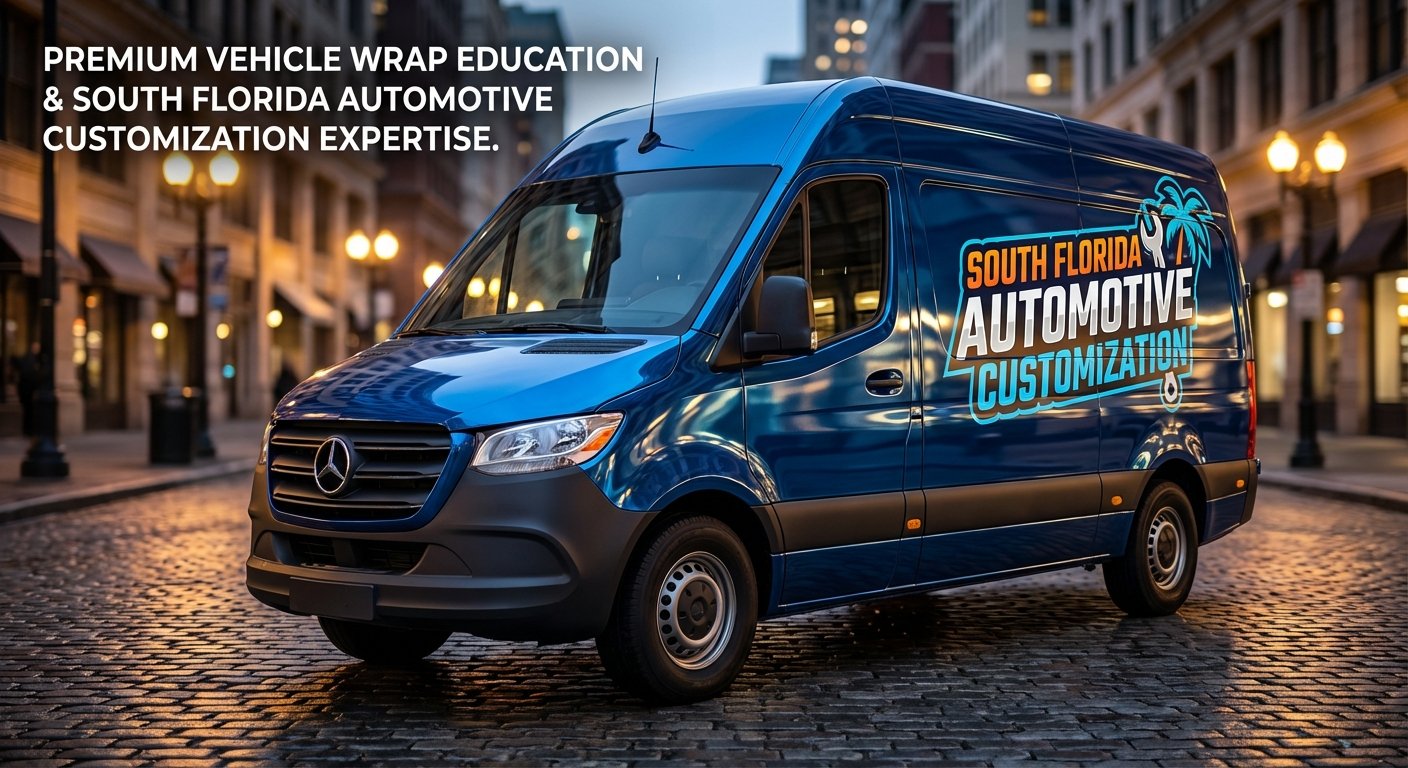
This multi-finish approach requires skilled installation to ensure clean transitions between surface types. The technique works particularly well on larger vehicles like sprinter vans or box trucks where different panels create natural separation points.
Transform Your Vehicle with the Right Finish
Choosing between matte, gloss, and satin finishes represents more than aesthetic preference—it’s a decision about how your vehicle functions, how it’s maintained, and how it represents your brand or personal style. Each finish offers distinct advantages when properly matched to application and commitment level.
Ready to explore how different vinyl wrap finishes will look on your specific vehicle? Our team provides detailed finish samples and can demonstrate how light interacts with each option on your vehicle’s body lines. We’ll discuss your maintenance capabilities honestly and recommend the finish that delivers the results you envision with realistic long-term satisfaction. Contact us to schedule a consultation where we’ll examine your vehicle, understand your goals, and develop a wrap solution that exceeds expectations.
