
The difference between a vehicle wrap that turns heads and one that looks like an expensive mistake often comes down to one critical factor: the design and installation process. A custom vehicle wrap represents a significant investment in brand visibility or personal expression, and understanding the journey from initial concept to final installation ensures you get results that last and perform.
Professional custom car wraps aren’t simply oversized stickers slapped onto vehicles. They’re precision-engineered graphics that require careful planning, expert design, material selection, and installation craftsmanship that separates amateur work from professional results that can last seven years or more.
The Discovery Phase: Understanding Your Vision and Vehicle
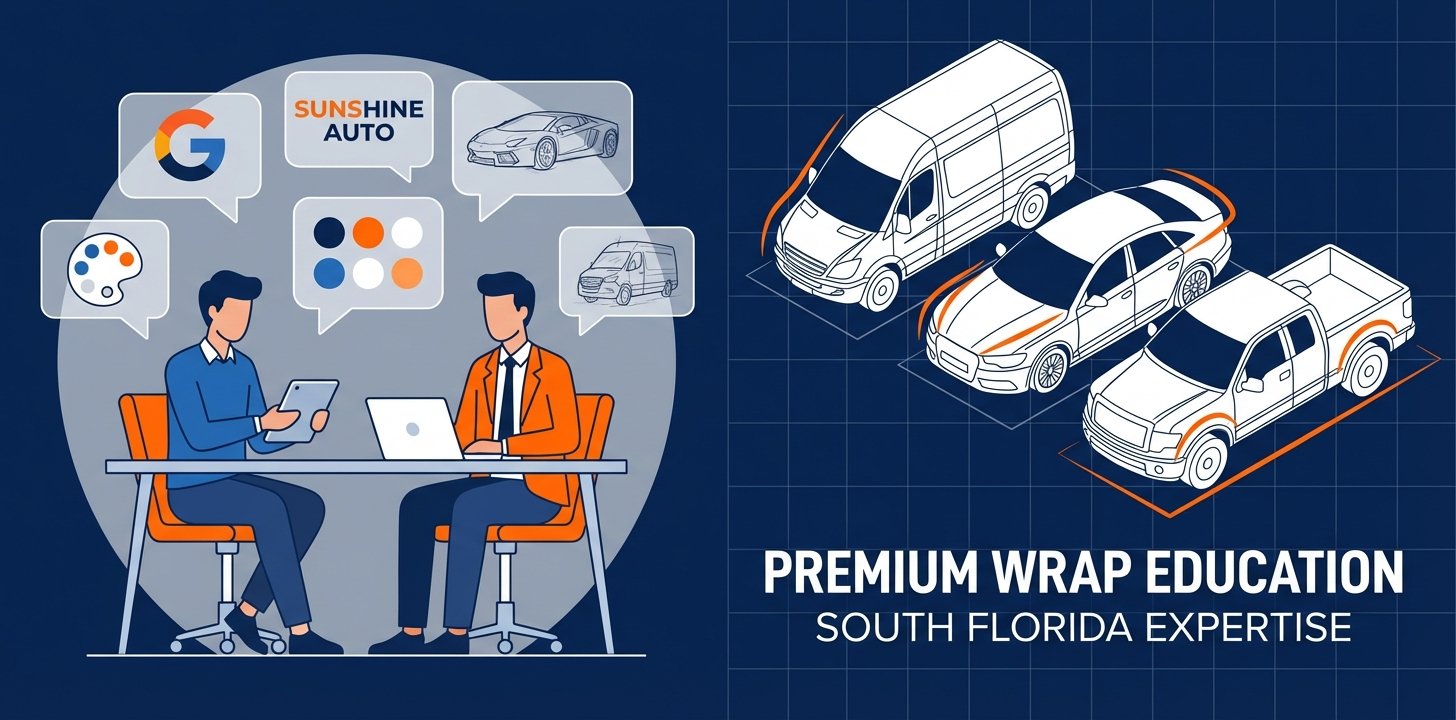
Every successful custom vinyl car wrap begins with a comprehensive discovery conversation. Professional wrap companies don’t jump straight into design software—they first understand what you’re trying to achieve, whether that’s building brand recognition across a commercial fleet, creating a show-stopping appearance for a luxury vehicle, or developing unique car wrap ideas that reflect personal style.
This initial consultation covers several critical elements. For commercial clients, the discussion focuses on brand guidelines, target audience, competitive differentiation, and how the wrapped vehicle will be used. A real estate agent’s vehicle requires different design considerations than a food truck or construction fleet. The wrap needs to communicate the right message to the right audience at highway speeds or in parking lots.
For personal vehicles, especially luxury and exotic cars, the conversation shifts toward aesthetic preferences, inspiration sources, protection goals, and how the wrap complements the vehicle’s existing lines and features. A Ferrari demands a different approach than a Tesla or lifted truck.
During this phase, professional designers also conduct a thorough vehicle assessment. They document the car’s year, make, model, and condition, looking for existing damage, previous paint work, body modifications, or surface irregularities that could affect installation. This assessment prevents surprises during installation and ensures realistic expectations.
Design Development: Where Creativity Meets Technical Precision
Professional vehicle wrap design services operate at the intersection of graphic design and automotive expertise. Designers must understand not just color theory and composition, but also how graphics wrap around complex three-dimensional curves, how different materials behave during installation, and how designs will look in motion versus parked.
The design process typically follows these stages:
Concept Exploration and Mood Boards
Designers present initial concepts through mood boards, color palettes, and rough sketches that establish visual direction before investing hours in detailed design work. This stage allows for broad creative exploration and ensures everyone’s aligned on the general aesthetic before refining details.
Digital Mock-Ups and 3D Visualization
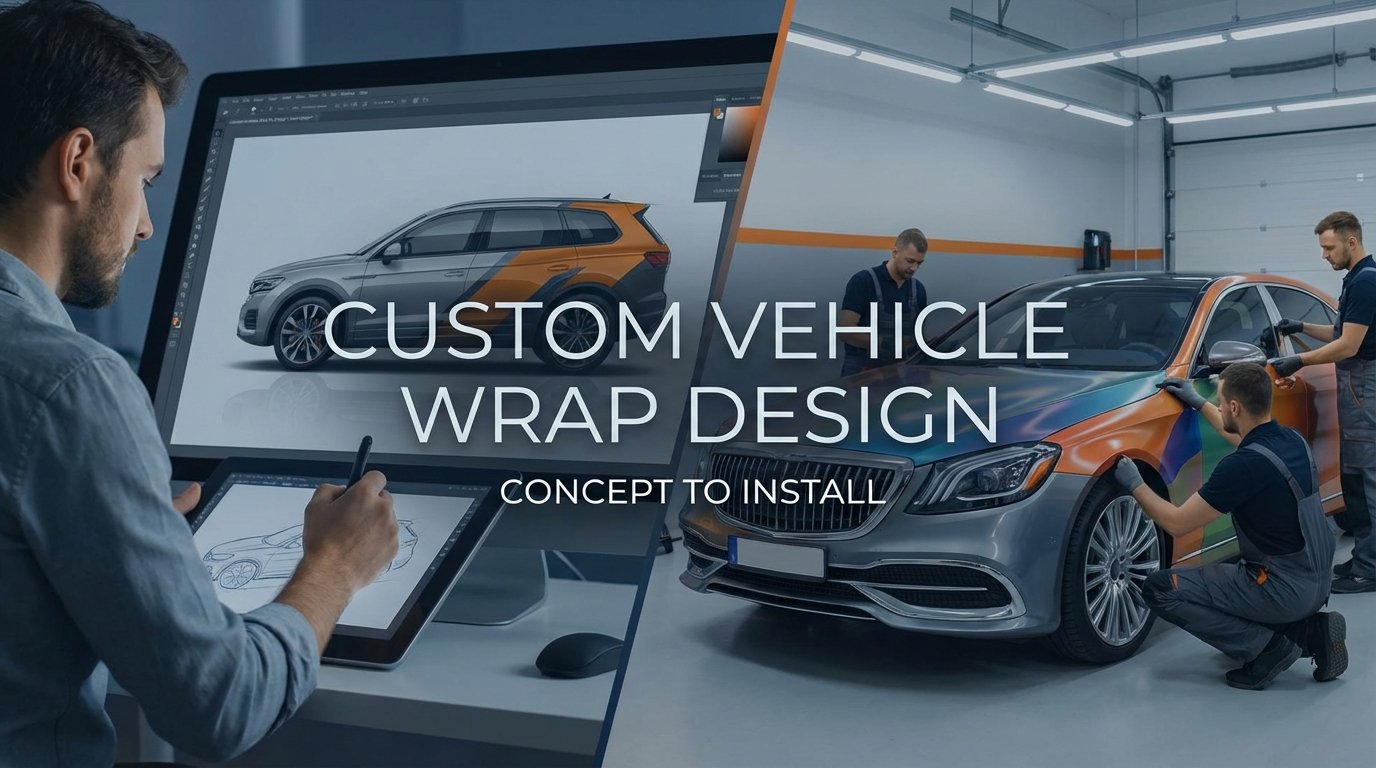
Modern custom printed car wraps benefit from sophisticated design software that applies graphics to accurate 3D vehicle templates. These visualizations show how designs flow across doors, around mirrors, over wheel arches, and across complex curves. Professional designers create multiple angles and lighting scenarios so clients can evaluate how the wrap will look in various real-world conditions.
This technology proves especially valuable for bespoke car graphics that incorporate complex patterns, photographic elements, or intricate details. Seeing the design wrapped around the actual vehicle shape reveals proportion issues, readability problems, or visual imbalances that aren’t apparent in flat designs.
Refinement and Technical Preparation
Once the design direction is approved, designers refine every detail while preparing files for printing. This includes establishing proper resolution for large-format printing, setting up color profiles that ensure printed colors match approved designs, creating bleed areas for precise trimming, and preparing cut lines for multi-layer installations.
Professional designers working on personalized vehicle wraps also plan for disassembly requirements. Complex installations often require removing certain trim pieces, badges, or components for proper wrap application. Designers note these requirements in installation diagrams that guide the installation team.
Material Selection: The Foundation of Longevity
Custom vehicle wraps are only as good as the materials underneath the design. Professional wrap shops use premium materials from manufacturers like 3M, Avery Dennison, and Hexis—not because they’re more expensive, but because they deliver consistent results and longevity that cheaper alternatives simply cannot match.
Material selection depends on several factors:
Application Type: Full wraps, partial wraps, and accent graphics may use different material grades. Cast vinyl with long-term durability suits full wraps, while calendared vinyl might work for short-term promotional graphics.
Climate Considerations: South Florida’s intense UV exposure, high humidity, and salt air (particularly for vehicles near coastal areas) demand materials specifically engineered for harsh environmental conditions. Premium 3M materials include UV inhibitors and adhesives formulated to withstand extreme heat without failing or discoloring.
Surface Complexity: Vehicles with complex curves, deep recesses, or aggressive body lines require materials with superior conformability. High-quality cast vinyl stretches and conforms without creating wrinkles or distortion, while cheaper materials fight against complex curves and eventually fail.
Finish Preferences: Beyond basic gloss and matte finishes, professional-grade materials now include satin, metallic, chrome, color-flip, textured, and even custom-printed options that layer printed graphics over specialty base materials.
For commercial fleets, material selection also considers cleaning frequency, fuel exposure, and whether vehicles will be stored indoors or outdoors. These operational factors significantly impact material longevity and appearance retention.
Pre-Installation Preparation: The Overlooked Critical Phase
Professional car wrap installation begins long before vinyl touches paint. Proper preparation accounts for much of the difference between wraps that last seven-plus years and those that fail within months.
The vehicle undergoes thorough cleaning using professional-grade degreasers that remove road film, wax, polish residue, and contaminants invisible to the naked eye. Any remaining contaminants prevent proper adhesive bonding, creating failure points where the wrap eventually lifts or bubbles.
Installers then inspect the vehicle under proper lighting, identifying paint defects, existing scratches, dents, or areas requiring attention. While wraps can cover minor imperfections, significant damage shows through and potentially compromises adhesion. Transparent communication about these issues prevents unrealistic expectations.
For vehicles with existing clear bra or paint protection film, installers must decide whether to wrap over it or remove it first. This decision depends on the PPF’s condition, age, and how well it’s adhered. Wrapping over failing PPF creates problems when the underlying protection eventually releases.
The installation environment matters tremendously. Professional shops maintain climate-controlled facilities that keep temperature and humidity within optimal ranges for vinyl application. Installing in uncontrolled environments invites adhesive problems, material distortion, and contamination that compromise the final result.
The Installation Process: Where Craftsmanship Defines Quality
Professional custom car wrap installation combines technical skill with artistic sensibility. Master installers—particularly those with 3M Preferred Installer certification—have completed extensive training and demonstrated consistent quality standards through hands-on evaluation.
Installation typically follows a methodical sequence:
Panel-by-Panel Application: Rather than attempting to apply massive sheets of vinyl, professional installers work panel by panel, ensuring proper alignment, tension, and adhesion on each section before moving forward. This approach allows for precision and prevents the cascading errors that occur when rushing through application.
Heat Application and Post-Heating: Vinyl requires proper heat to activate adhesives and allow conformability around curves. Too little heat results in poor adhesion and premature failure. Too much heat can distort graphics or damage material. Professional installers use infrared thermometers to maintain precise temperature ranges throughout the process.
Post-heating after installation is equally critical. This process ensures adhesive reaches full bonding strength and vinyl properly conforms to recessed areas. Installers methodically heat every edge, seam, and complex curve to specified temperatures, preventing the lift that occurs when this step is rushed or skipped.
Edge Sealing and Trim Work: How installers handle edges, seams, and trim areas distinguishes professional work from amateur attempts. Premium installations wrap vinyl into door jambs, under trim pieces, and around complex details rather than simply cutting edges at obvious lines. This approach creates clean sight lines and protects edges from environmental exposure that causes lifting.
Quality Control Inspection: Before releasing the vehicle, professional shops conduct thorough quality inspections under various lighting conditions. They check for bubbles, lifting edges, color consistency, proper alignment, and any imperfections requiring correction. This final quality gate ensures clients receive results meeting professional standards.
Post-Installation Care: Protecting Your Investment
A professional custom vehicle wrap represents significant investment in materials, design, and labor. Proper care extends that investment’s lifespan and maintains its appearance.
The first 7-10 days after installation are critical. During this period, adhesives continue curing and reaching full bond strength. Avoiding automatic car washes, pressure washing, and exposure to extreme temperature changes during this period prevents premature failure.
Long-term maintenance focuses on gentle cleaning with pH-neutral soaps, avoiding abrasive materials or brushes, and addressing any edge lifting or damage promptly. South Florida’s intense sun makes covered parking valuable when possible, though premium materials are specifically engineered to withstand full sun exposure.
Professional wrap shops provide detailed care instructions specific to the materials used on your vehicle. Following these guidelines ensures your custom vinyl car wrap delivers maximum return on investment through years of service.
The Timeline: Setting Realistic Expectations
Quality custom vehicle wraps cannot be rushed. From initial consultation to driving away with a completed installation, expect the following timeline:
- Discovery and Design: 1-2 weeks for complex custom designs, including revisions and approval cycles
- Material Ordering and Production: 3-7 days for custom printed materials, depending on complexity
- Installation: 2-5 days depending on vehicle size, design complexity, and whether full or partial coverage
- Curing Period: 7-10 days before the vehicle should undergo washing or extreme conditions
Shops offering “same-day” or rushed installations either maintain inventory of pre-designed wraps (limiting customization) or compromise on preparation and quality control that separates professional results from disappointing ones.
Choosing the Right Professional Partner
Not all wrap shops deliver the same results. When evaluating providers for your custom vehicle wrap, consider these factors:
Look for 3M Preferred Installer certification, which indicates installers have completed rigorous training and maintain quality standards verified through regular audits. This certification isn’t simply a marketing badge—it represents demonstrated competency in proper installation techniques.
Review portfolios showing similar projects to yours. A shop excelling at commercial fleet graphics may not have experience with exotic car wraps requiring different techniques and sensibilities. Conversely, shops focused on show cars may not understand the durability requirements of commercial vehicles.
Request references and follow up on them. Professional shops gladly connect potential clients with previous customers who can speak to their experience, the installation quality, and how wraps have performed over time.
Visit the installation facility to evaluate their environment, equipment, and professionalism. Climate-controlled bays, professional equipment, organized workspaces, and attention to detail in the facility often reflect the quality you’ll receive in your wrap.
Transform Your Vehicle with Professional Custom Wraps
Custom vehicle wraps represent one of the most effective ways to build brand visibility, protect valuable paint, or create truly unique personalized vehicles. The journey from concept to installation requires expertise at every stage—design creativity paired with technical knowledge, premium materials selected for your specific application, and installation craftsmanship that ensures longevity and performance.
Whether you’re building a commercial fleet identity, transforming a luxury vehicle, or creating something entirely unique, professional custom vehicle wraps deliver results that justify their investment through years of service and impact. The difference between exceptional results and disappointing outcomes lies in choosing partners who understand that quality cannot be rushed and shortcuts always show in the final result.
Ready to transform your vehicle with a professional custom wrap that reflects your brand or style? Contact our team to schedule a consultation where we’ll discuss your vision, evaluate your vehicle, and create a custom solution that exceeds your expectations. With 3M-certified installers, premium materials, and a commitment to craftsmanship that’s earned competition recognition, we deliver wraps built to last in South Florida’s demanding environment.
