
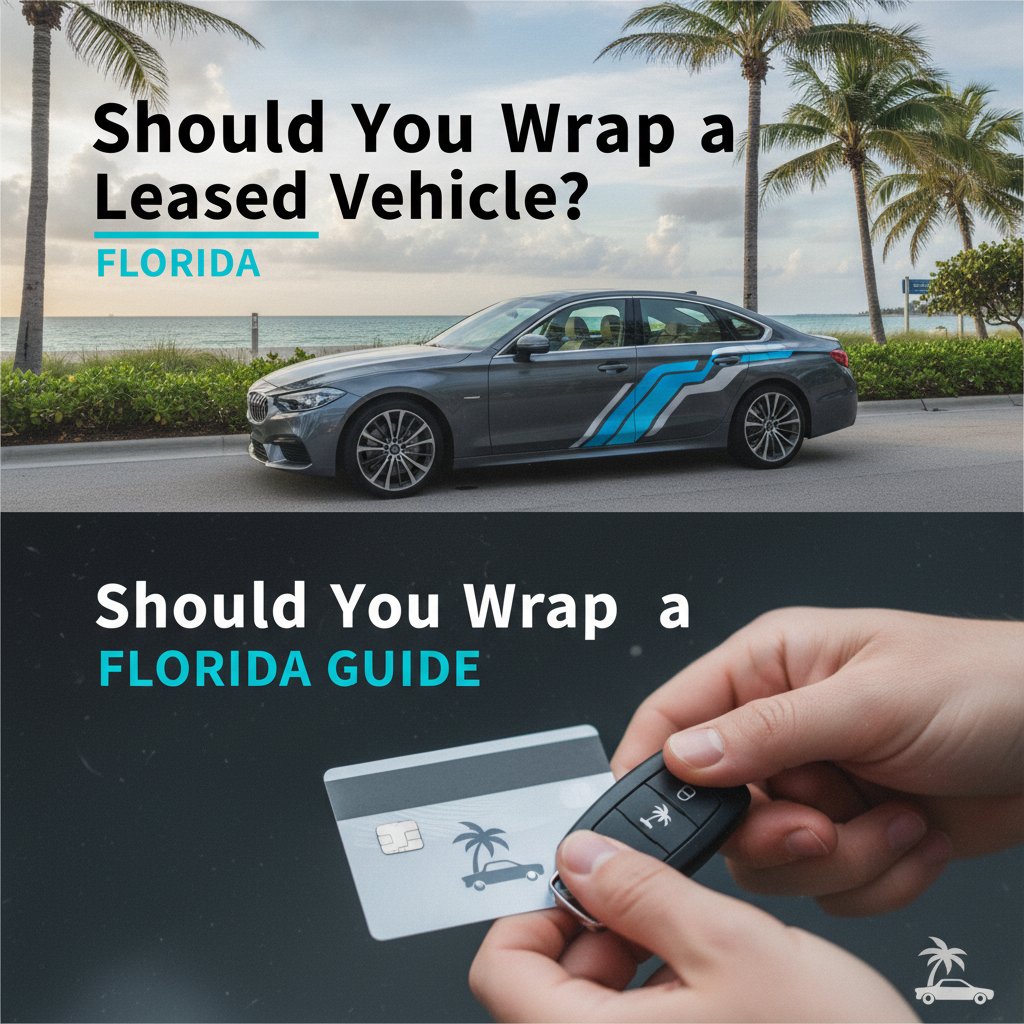
Leasing accounts for nearly 30% of new vehicle acquisitions in South Florida, creating a unique dilemma for business owners and car enthusiasts who want customization without jeopardizing their lease agreements. The question of whether to wrap a leased vehicle involves understanding lease terms, vinyl technology, and the reversible nature of professional installation.
Understanding Lease Agreements and Vehicle Modifications
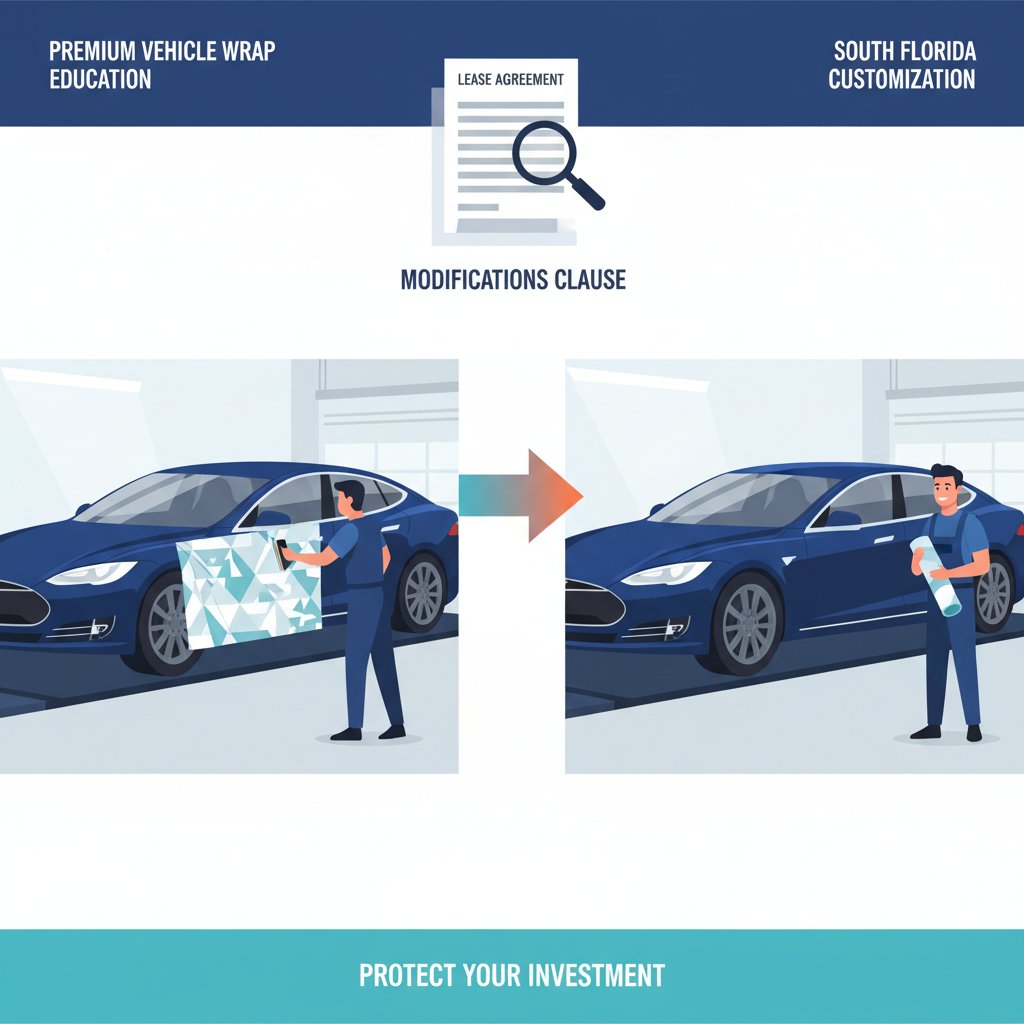
Most lease agreements contain specific language about vehicle modifications, but wraps occupy a gray area that many lessees misunderstand. Unlike permanent modifications such as paint jobs or body kit installations, professional vinyl wraps are designed to be completely removable without affecting the original factory finish.
The critical distinction lies in how lease companies define “damage” versus “modification.” A properly installed and removed wrap by a 3M certified wrap installer Florida doesn’t alter the vehicle’s underlying structure or finish. In fact, premium vinyl wraps actually protect the original paint from UV exposure, minor abrasions, and environmental contaminants that would otherwise degrade the factory finish during the lease term.
What Your Lease Agreement Actually Says
Before proceeding with any customization, review your specific lease agreement for clauses addressing:
- Exterior modifications and alterations
- Return condition requirements
- Excess wear and tear definitions
- Paint and finish specifications
Most major leasing companies from manufacturers like Mercedes-Benz, BMW, and Lexus do not explicitly prohibit vinyl wraps. However, they require the vehicle to be returned in its original condition. This requirement actually works in favor of wrapping rather than against it, since the wrap preserves the paint underneath.
The Protective Benefits of Wrapping Leased Vehicles
South Florida’s intense UV exposure creates particular challenges for vehicle finishes. The combination of year-round sun intensity, salt air in coastal areas, and frequent rain creates an environment that accelerates paint degradation. Leased vehicles face a unique vulnerability here—lessees remain financially responsible for excess wear and tear at lease end, which often includes paint fading, oxidation, and minor scratches.
Professional car wrap installation using premium 3M vinyl wraps Florida provides a protective barrier that shields the original paint throughout the lease term. This protection becomes particularly valuable for black, red, and other dark-colored vehicles that show UV damage more readily.
Quantifying the Protection Value
Consider the typical lease-end charges for paint-related wear: minor scratches can incur $100-300 per panel in reconditioning fees, while more extensive paint damage might trigger charges of $1,500 or more. A full vehicle wrap costs significantly less than these potential charges while also providing branding or customization benefits during the lease term.
Business Use Cases for Leased Vehicle Wraps
Commercial fleet operators frequently lease vehicles for tax advantages and predictable monthly expenses. Vehicle wrap design services for leased commercial vehicles offer compelling ROI through mobile advertising while maintaining lease compliance.
A real estate professional leasing a luxury SUV can wrap it with their branding for three years, generating thousands of impressions daily throughout South Florida markets. At lease end, professional removal returns the vehicle to original condition, and the agent can transfer their brand graphics to their next leased vehicle. This approach provides brand consistency across successive vehicles without the commitment of vehicle ownership.
Tax Considerations for Business Wraps
Business owners can typically deduct vehicle wrap costs as advertising expenses in the tax year incurred, separate from the vehicle lease payments themselves. This creates a tax-advantaged scenario where the wrap generates both advertising value and potential tax benefits while protecting against lease-end wear charges.
Communicating With Your Leasing Company
Transparency with your leasing company eliminates potential complications at lease end. Before proceeding with custom car wraps, contact your lessor directly with specific details about the installation:
- Confirmation that a 3M certified installer will perform the work
- Details about the removability of premium cast vinyl
- Documentation showing the protective benefits
- Commitment to professional removal before lease return
Most leasing companies will provide written approval or at minimum acknowledge that proper vinyl application doesn’t violate lease terms. Document this communication thoroughly. Some progressive leasing companies now explicitly allow wraps in their standard agreements, recognizing the protective and business benefits.
Material Selection for Leased Vehicles
Not all vinyl is appropriate for leased vehicles. Budget-grade calendared vinyl can leave adhesive residue and may cause paint damage during removal, creating exactly the lease-end problems you’re trying to avoid. Professional-grade 3m car wraps south florida offer engineered adhesives specifically designed for clean removal.
3M’s Wrap Film Series 2080, Wrap Film Series 1080, and specialized finishes use controlled-tack adhesives that bond securely during the wrap’s lifespan but release cleanly when removed by trained professionals. This technology makes wrapping leased vehicles feasible where inferior materials would create liability.
Color Change vs. Commercial Graphics
Leased luxury vehicles often receive color change wraps that transform appearance without permanent modification. A leased Porsche 911 in standard white might become matte black, satin gray, or even chrome delete accented for the lease duration, then return to factory white for turn-in. This temporary customization appeals to enthusiasts who want exclusivity without ownership commitment.
Commercial wraps on leased fleets serve different purposes but follow the same principles. Full coverage with business graphics provides maximum advertising impact while offering complete paint protection. Partial wraps or spot graphics offer budget-friendly branding with slightly less protection coverage.
The Removal Process and Lease Return
Professional removal is non-negotiable for leased vehicles. DIY removal risks paint damage, adhesive residue, and potential lease-end charges that dwarf professional removal costs. Car wraps south florida installed by certified professionals should be removed by equally qualified technicians.
The removal process involves controlled heat application to soften adhesives, careful peeling at proper angles to avoid paint lifting, and thorough cleaning to eliminate any remaining residue. When performed correctly on quality materials, the underlying paint emerges in better condition than it would have been after three years of unprotected exposure.
Timing Your Wrap Removal
Schedule wrap removal 2-4 weeks before your lease return date. This timeline allows for thorough removal, paint inspection, and addressing any unexpected issues. Most importantly, it gives you opportunity to document the paint condition post-removal, which can protect against false damage claims during lease inspection.
Cost Analysis: Wrapping vs. Lease-End Charges
Evaluating the financial wisdom of wrapping a leased vehicle requires comparing wrap investment against potential lease-end scenarios. A full custom vinyl car wraps installation costs $2,500-6,000 depending on vehicle size and complexity. Professional removal adds $500-1,200 to total costs.
Compare this to common lease-end charges for unprotected vehicles in South Florida’s harsh environment:
- Paint oxidation or fading: $800-2,500
- Multiple minor scratches and chips: $500-1,500
- Door ding repairs: $100-300 per ding
- Hood or roof paint damage from UV exposure: $600-1,200
For business use, add the advertising value generated over 36 months. Conservative estimates suggest a wrapped vehicle generates 30,000-70,000 impressions daily in metro areas. This mobile advertising value often exceeds the wrap cost many times over, making the protective benefit an added bonus rather than the primary justification.
Special Considerations for South Florida Lessees
South Florida’s unique environment amplifies both the risks of not wrapping and the benefits of quality wrap protection. The intense UV index throughout the year accelerates clear coat failure, particularly on horizontal surfaces like hoods and roofs. Coastal proximity introduces salt air that promotes corrosion starting points at any paint chip or scratch.
For leased vehicles that spend significant time in direct sun—think parking lots, street parking, or outdoor storage—the protective case for wrapping becomes even stronger. The wrap essentially pauses the clock on environmental paint degradation during the lease term.
Exotic and Luxury Leased Vehicles
High-end leased vehicles from brands like Lamborghini, Ferrari, McLaren, and Bentley face particularly stringent lease-return inspections. Factory paint on these vehicles is expensive to repair or refinish, making lease-end paint charges especially steep. Simultaneously, these vehicles often have custom paint options that owners specifically selected, making protection paramount.
3M certified wrap installer florida professionals working with exotic vehicles understand the stakes involved. Paint protection film combined with color-matched or color-change wraps provides maximum protection while allowing personalization. The removal must be flawless, which is why certification and experience matter significantly more on high-value leased vehicles.
Documentation and Lease-End Preparation
Protect yourself with comprehensive documentation throughout the wrap lifecycle. Before installation, photograph the vehicle’s paint condition from all angles in good lighting. These images establish baseline condition should any lease-end disputes arise.
After professional removal, photograph the vehicle again to document the protected paint condition. This evidence demonstrates that wrapping protected rather than harmed the vehicle. Keep all invoices from installation and removal, particularly documentation showing 3M certified installer credentials.
Making Your Decision
The decision to wrap a leased vehicle ultimately depends on your specific situation: lease term length, vehicle use, business needs, and personal preferences. For business owners using leased vehicles in commercial contexts, wrapping offers clear ROI through advertising value and paint protection. For enthusiasts wanting temporary customization, quality wraps provide reversible personalization impossible through other means.
The keys to success involve using premium materials, working exclusively with certified professionals for both installation and removal, documenting everything, and communicating transparently with your leasing company. When these elements align, wrapping a leased vehicle transitions from risky proposition to smart investment.
Ready to explore wrap options for your leased vehicle? Professional consultation begins with understanding your specific lease terms, intended wrap purpose, and desired outcome. South Florida’s leading wrap professionals can review your lease agreement, explain material options, and provide detailed timelines and costs for both installation and eventual removal. Contact certified wrap specialists who understand the unique requirements of leased vehicle graphics and can ensure your customization enhances rather than jeopardizes your lease investment.
