

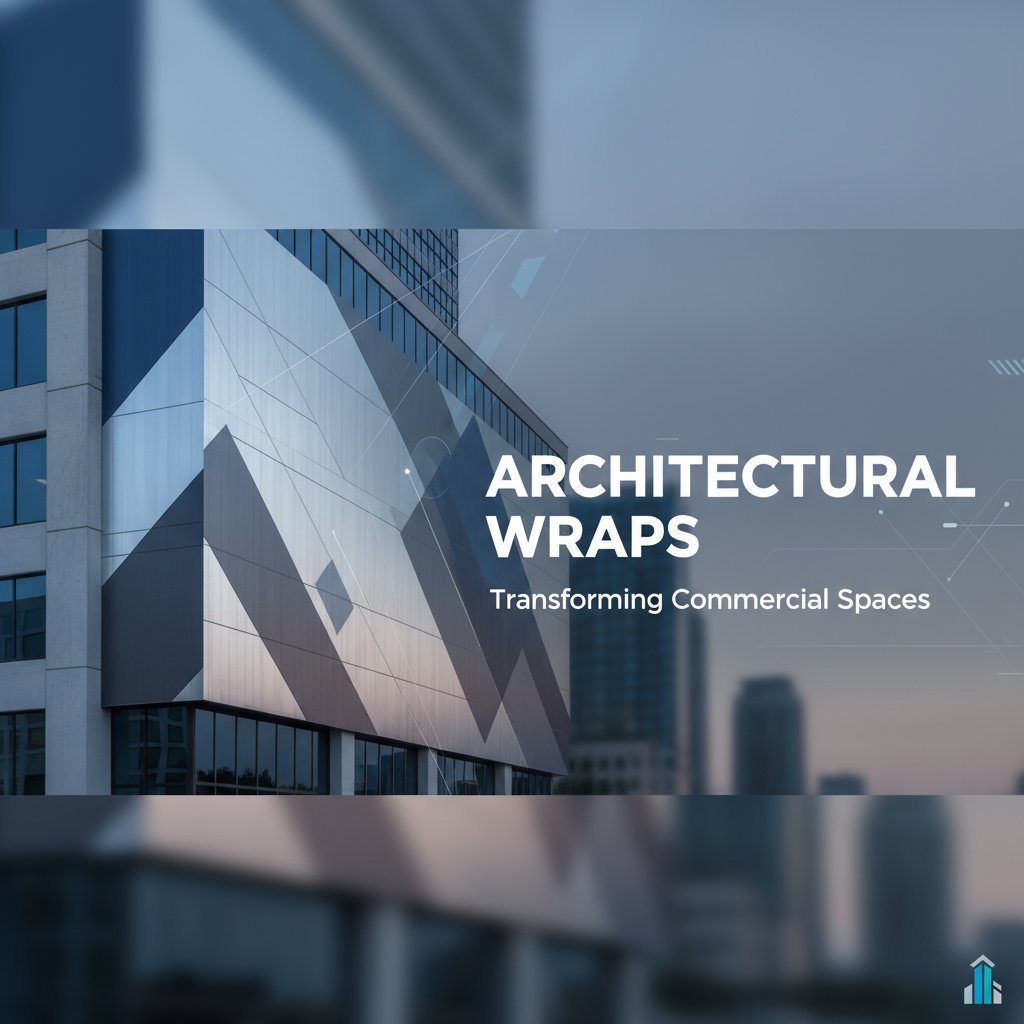
The same technology that transforms vehicles into mobile billboards now revolutionizes interior and exterior commercial spaces. Architectural wraps represent a paradigm shift in how businesses approach branding, wayfinding, and space design. These aren’t simple wall decals or temporary stickers—they’re engineered vinyl solutions that deliver stunning visual impact while maintaining structural integrity and longevity in demanding environments.
Professional architectural wraps combine advanced material science with precision installation techniques. When executed correctly, they withstand heavy foot traffic, UV exposure, moisture, and temperature fluctuations while maintaining their appearance for years. The difference between amateur application and professional craftsmanship becomes evident within months, making the initial investment in quality materials and certified installation crucial.
Understanding Architectural Wrap Technology
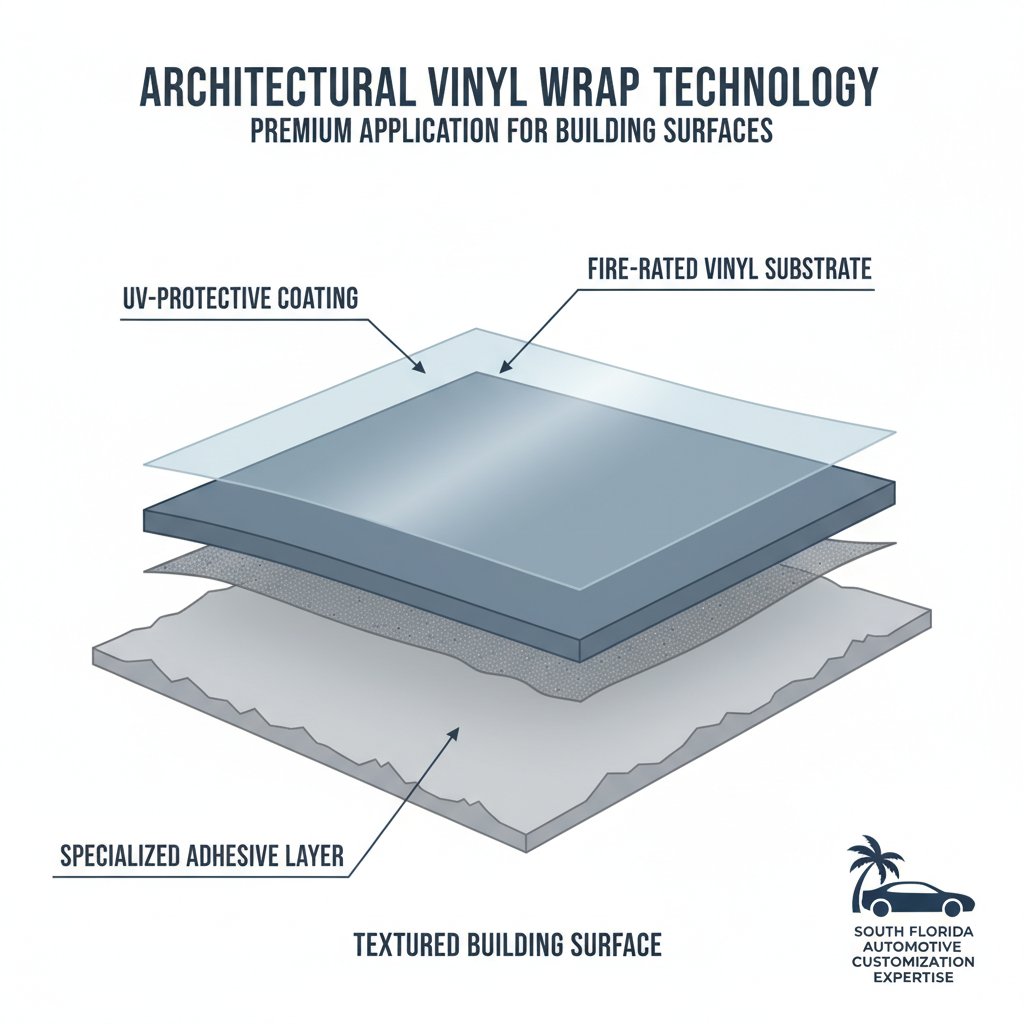
Architectural wraps utilize specialized vinyl formulations distinct from vehicle wrap materials. These products address unique challenges: vertical surface adhesion, texture conformity, fire ratings, and extended lifespan expectations. The material selection process requires understanding substrate composition, environmental conditions, and intended use.
3M architectural wraps represent the industry standard for commercial applications. Their DI-NOC architectural finishes provide textured surfaces mimicking wood, metal, stone, and fabric with remarkable realism. These films incorporate proprietary adhesive systems engineered for porous surfaces like drywall, painted walls, and unfinished wood. The adhesive chemistry balances strong initial tack with clean removability, preventing substrate damage during future updates.
The film structure itself differs significantly from vehicle wrap materials. Architectural products typically feature thicker protective layers, enhanced UV inhibitors, and fire-retardant properties meeting commercial building codes. Many products carry Class A or Class 1 fire ratings, essential for public spaces and commercial facilities requiring compliance with safety regulations.
Wall Wraps: Branded Environments That Perform
Wall graphics installation transforms ordinary surfaces into powerful brand statements. Corporate lobbies, retail environments, restaurants, and healthcare facilities utilize wall wraps to create immersive experiences that traditional paint cannot achieve. The capability extends beyond flat graphics—textured finishes, dimensional effects, and photorealistic imagery create depth and visual interest.
Professional wall wrap installation begins with thorough surface preparation. Paint must cure completely, typically 30 days minimum, before vinyl application. Surface porosity, texture, and cleanliness directly impact adhesion longevity. Installers assess paint type, wall composition, and environmental factors before material selection. Latex paint over drywall requires different adhesive chemistry than enamel over concrete block.
In South Florida’s climate, humidity presents unique challenges for wall graphics. Moisture trapped between vinyl and substrate causes adhesion failure and unsightly bubbling. Professional installers monitor ambient conditions, ensuring temperature and humidity fall within manufacturer specifications during application. They also seal edges properly to prevent moisture infiltration in coastal environments where salt air accelerates degradation.
Large-format wall installations demand precision alignment and bubble-free application. Installers use specialized tools including felt squeegees, air release rollers, and heat guns to achieve seamless results. Proper technique prevents silvering—the cloudy appearance caused by microscopic air pockets—that marks amateur installations.
Floor Graphics: Durability Meets Design
Floor wraps endure punishment that would destroy standard vinyl within days. Foot traffic, rolling carts, cleaning chemicals, and constant abrasion require materials engineered specifically for horizontal surfaces. Commercial floor graphics incorporate thick protective laminates, aggressive slip-resistant textures, and adhesive systems that bond to challenging substrates like polished concrete and ceramic tile.
The slip resistance factor cannot be overlooked. Commercial floor applications must meet ADA guidelines and building safety codes. Professional-grade floor graphics feature textured laminates providing adequate traction while maintaining print clarity. The coefficient of friction measurements determine suitability for specific applications—what works in a trade show booth fails in a grocery store aisle.
Floor graphics installation requires meticulous surface preparation. Floors must be completely clean, dry, and free from wax, sealers, or contaminants. Even microscopic debris creates failure points where heavy traffic lifts edges. Professional installers often use primer systems on porous surfaces, enhancing adhesion and extending graphic lifespan.
Edge sealing distinguishes temporary floor decals from permanent commercial installations. Professionals apply edge sealant or use recessed installation techniques preventing moisture infiltration and mechanical damage. These details determine whether floor graphics survive months or years under constant use.
Building Wraps: Exterior Architectural Graphics
Building wraps south Florida businesses deploy range from window perforations to full facade transformations. These exterior applications face intense UV exposure, thermal cycling, wind loads, and in coastal areas, salt spray corrosion. Material selection and installation technique must account for these environmental stressors.
Window perforations allow one-way visibility while displaying graphics externally. The vinyl features microscopic holes permitting light transmission and outward viewing while presenting solid graphics from outside. These materials require specific hole patterns matched to viewing distance and lighting conditions. Professional installation ensures proper alignment across multiple windows, creating cohesive large-scale graphics.
Full building wraps protecting construction sites or creating temporary branded environments use mesh materials allowing wind passage. These engineered fabrics prevent dangerous wind loading while maintaining graphic integrity. Installation involves structural assessment, proper tensioning systems, and secure anchoring capable of withstanding tropical storm conditions common in South Florida.
Painted surfaces, EIFS systems, concrete, and metal panels each demand different adhesive technologies. Professional installers test adhesion on inconspicuous areas before full application, ensuring compatibility and preventing costly failures. They also plan for thermal expansion, incorporating relief points preventing buckling as materials expand under Florida’s intense heat.
Material Selection: Engineering Meets Aesthetics
Commercial space wraps require balancing aesthetic goals with performance requirements. The material decision process considers substrate type, environmental exposure, expected lifespan, and maintenance requirements. Budget considerations matter, but lifecycle cost analysis often reveals premium materials deliver better value through extended lifespan and reduced replacement frequency.
Cast vinyl films offer superior conformability and durability compared to calendered products. The molecular structure creates dimensional stability and UV resistance extending lifespan significantly. For permanent architectural applications, cast films justify their premium cost through longevity and appearance retention.
Laminate selection protects printed graphics from scratches, UV degradation, and chemical exposure. Matte, gloss, and textured laminates alter final appearance while providing mechanical protection. High-traffic areas demand thicker, more abrasion-resistant laminates than decorative applications in protected environments.
Specialty materials expand creative possibilities. Chalkboard vinyl, whiteboard films, magnetic receptive surfaces, and privacy films serve functional purposes beyond decoration. These products transform ordinary walls into interactive surfaces, conference room dividers, or wayfinding systems.
Installation Expertise: Why Certification Matters
3M certification requires installers demonstrate proficiency in surface preparation, material handling, application techniques, and problem-solving. This training covers substrate science, adhesive chemistry, and environmental considerations ensuring installations perform as engineered. Certified installers understand why specific techniques work, not just how to apply them.
The distinction becomes critical when problems arise. Understanding material behavior allows professionals to diagnose issues—adhesion failure versus substrate failure, outgassing versus moisture infiltration, material defect versus application error. This knowledge prevents expensive trial-and-error approaches and ensures effective solutions.
Professional installers also carry appropriate insurance protecting clients from installation failures and property damage. The contractual protections and warranties accompanying certified installation provide security unavailable from unlicensed applicators.
Design Considerations for Architectural Applications
Effective architectural graphics balance visual impact with environmental appropriateness. Designers must consider viewing distances, lighting conditions, color psychology, and brand consistency. A lobby wall viewed from 20 feet requires different design elements than a conference room graphic examined from 3 feet.
Color accuracy demands proper file preparation and calibrated printing. Architectural installations often integrate with existing brand elements—matching corporate colors exactly requires color-managed workflows and high-quality printing equipment. Professional wrap companies maintain calibrated systems ensuring color consistency across projects and over time.
Typography legibility changes dramatically at scale. Fonts readable on screen become illegible at architectural dimensions. Professional designers understand how letter spacing, stroke weight, and contrast affect readability at various distances. They also account for lighting variations throughout the day affecting graphic visibility.
Maintenance and Longevity
Properly installed architectural wraps require minimal maintenance but benefit from appropriate care. Regular cleaning with approved products removes dirt and contaminants preventing premature degradation. Harsh chemicals, abrasive cleaners, and pressure washing damage protective laminates and void warranties.
Expected lifespan varies by application and environment. Interior wall graphics in climate-controlled spaces easily last 5-7 years. Floor graphics in moderate traffic areas perform well for 2-3 years. Exterior building wraps facing Florida’s intense UV exposure typically warrant replacement after 3-5 years depending on material quality and maintenance.
Planned obsolescence factors into design decisions. Businesses expecting frequent branding updates choose removable materials and installation techniques facilitating clean removal. Those seeking permanent solutions select materials and adhesives engineered for extended performance.
Applications Across Industries
Retail environments use architectural graphics creating branded experiences encouraging customer engagement. Fitting room wraps, wayfinding systems, promotional graphics, and decorative elements transform ordinary spaces into memorable destinations. Quick update capability allows seasonal promotions and product launches without permanent renovations.
Healthcare facilities employ antimicrobial films and calming imagery creating healing environments. Wayfinding graphics aid patient navigation while maintaining infection control standards. Materials must withstand repeated disinfectant cleaning without degradation.
Corporate offices utilize architectural wraps establishing brand identity and enhancing workplace aesthetics. Conference room privacy films, inspirational graphics, and branded reception areas create professional environments reflecting company values.
Hospitality venues transform guest experiences through environmental graphics. Hotel corridors, restaurant interiors, and event spaces use wraps creating Instagram-worthy backdrops encouraging social sharing and organic marketing.
Investment Considerations
Architectural wrap costs vary significantly based on material selection, installation complexity, and surface conditions. Simple wall graphics start reasonably while complex installations requiring extensive preparation or specialty materials increase investment. However, comparing architectural wraps to traditional renovation costs—painting, wallpaper, tile work, or structural modifications—often reveals wraps deliver superior results at lower total cost.
The ability to update branding without demolition provides long-term flexibility traditional finishes cannot match. This adaptability proves especially valuable for businesses in leased spaces where permanent modifications face restrictions.
Transform Your Commercial Space
Architectural wraps represent sophisticated branding solutions extending far beyond vehicle applications. The technology delivers stunning visual results while meeting demanding performance requirements. Success depends on proper material selection, professional installation, and realistic expectations grounded in understanding how these products perform in real-world conditions.
South Florida businesses seeking to transform commercial spaces through architectural graphics should partner with certified installers demonstrating expertise in material science, surface preparation, and application techniques. The investment in professional execution ensures graphics perform as engineered, delivering years of reliable service while maintaining visual impact. Quality materials, expert installation, and appropriate maintenance create architectural wraps that enhance brand presence and customer experience while justifying their investment through longevity and performance.
