
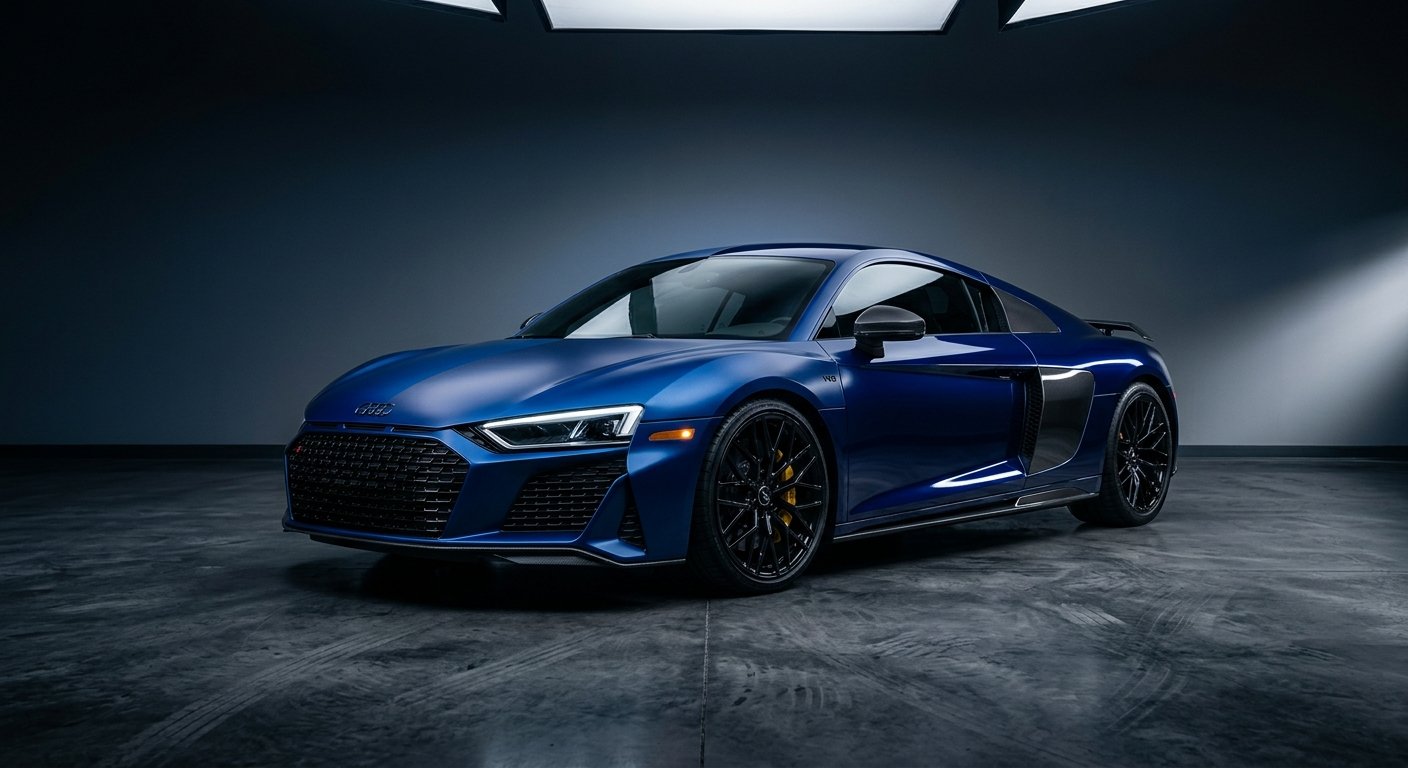
A high-quality custom paint job on a luxury vehicle now routinely costs between $5,000 and $15,000—and that’s before factoring in color-change resprays, specialty finishes, or the weeks your vehicle spends out of commission. Yet vehicle wraps, once dismissed as a temporary novelty, have quietly matured into a premium finishing option that outperforms conventional paint in several measurable ways. So in 2026, which choice actually makes more sense?
The honest answer depends on your goals, your vehicle, and how long you plan to keep it looking its best. This breakdown covers both options with the technical detail needed to make a genuinely informed decision—whether you’re a business owner branding a commercial fleet or an enthusiast protecting a six-figure exotic.
What’s Actually Changed in 2026
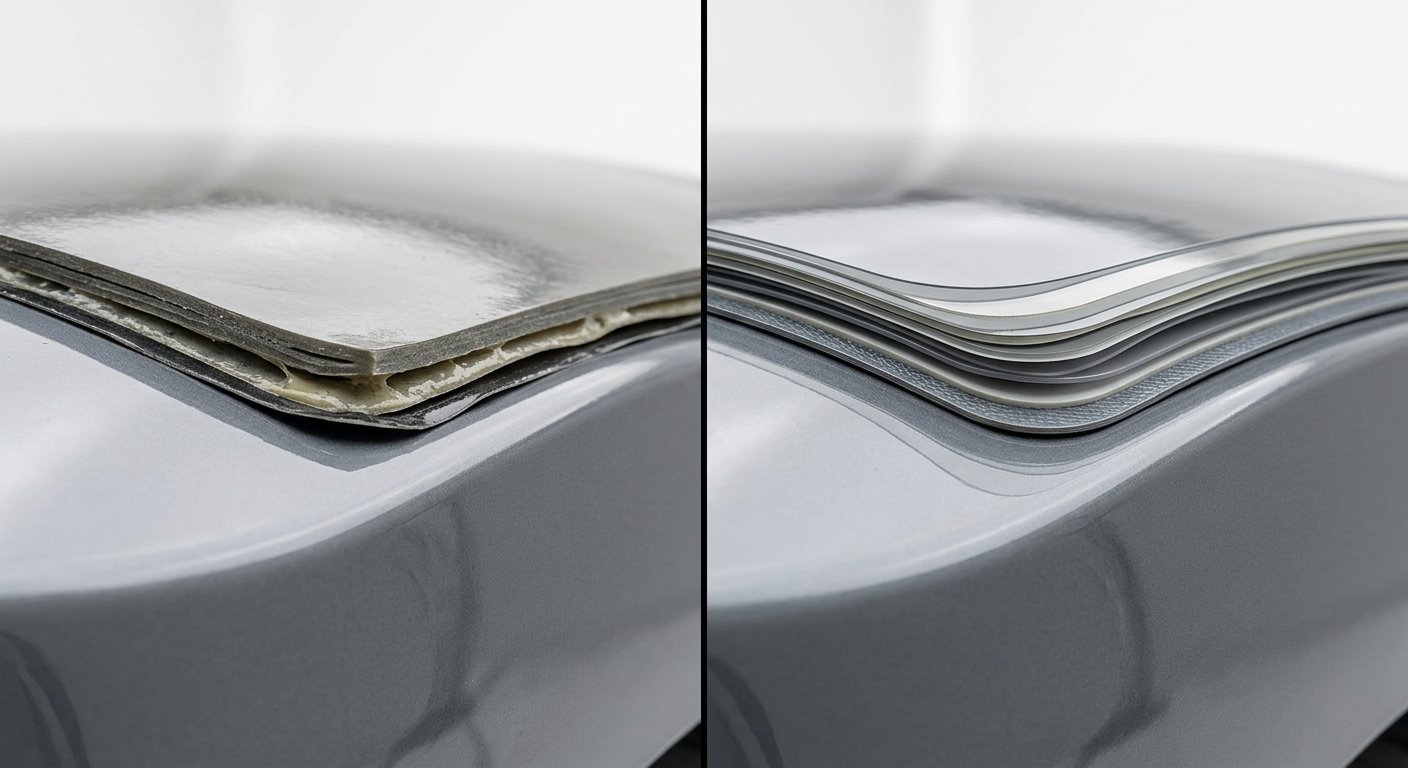
Vinyl wrap technology has advanced significantly over the past several years. Today’s professional-grade films from manufacturers like 3M feature enhanced UV inhibitors, improved adhesive chemistry, and conformable constructions that follow complex curves far more faithfully than earlier generations of material. According to 3M’s graphic film application documentation, current wrap films are engineered for multi-year outdoor durability specifically in high-UV, high-humidity environments—exactly the conditions South Florida delivers year-round.
On the paint side, automotive OEM finishes remain excellent from the factory, but aftermarket resprays are subject to significant variation in materials, prep quality, and environmental controls during application. A respray performed outside of a proper booth, or using inferior clear coats, can degrade visibly within two to three years under intense South Florida UV exposure.
Comparing the Core Factors
Cost and Total Value
A professional custom car wrap for a full-size vehicle typically ranges from $2,500 to $6,000 depending on material selection, vehicle complexity, and finish type. A comparable quality paint job—color-sanded, buffed, and finished with a premium multi-stage clear coat—starts around $5,000 and can climb well above $10,000 for specialty colors or pearl finishes.
For commercial fleet operators, the math shifts even more dramatically. Wrapping a fleet of ten vehicles costs a fraction of repainting them, and when a design needs updating, the wrap is removed and replaced rather than sanded down and refinished. That flexibility is something paint simply cannot offer.
Longevity and Durability
A professionally installed wrap using 3M-certified materials typically performs well for five to seven years under normal conditions. In South Florida, where UV index readings regularly reach 11 or above and salt air accelerates surface degradation, proper material selection matters enormously. Not all vinyl films are created equal—there’s a meaningful difference between cast films engineered for long-term outdoor durability and calendered films designed for short-term or indoor applications.
Quality paint, properly maintained, can last the life of the vehicle. However, “properly maintained” involves regular polishing, paint correction, and protection—and even then, stone chips, parking lot scratches, and UV oxidation accumulate over time. A wrap, by contrast, acts as a sacrificial layer that protects the factory finish beneath it. When the wrap eventually reaches the end of its service life, the original paint underneath emerges largely unaffected.
Reversibility and Resale Value
This is where wraps hold a compelling structural advantage. A factory or high-quality respray is permanent. If you change your mind about the color, or if you’re a business that evolves its brand identity, paint offers no easy exit. A professional wrap is fully removable without damage to the underlying finish when installed and removed correctly.
For exotic car owners especially, this matters at resale. Consumer Reports has noted that preserving factory paint—particularly on low-production or collector vehicles—directly supports resale value. Wrapping instead of repainting means the original finish is protected and intact when it’s time to sell, which buyers and appraisers value appropriately.
Customization and Finish Options
In terms of creative range, wraps have paint definitively outclassed. Matte, satin, gloss, chrome, brushed metal, color-shift, carbon fiber texture, and countless printed graphics are all achievable with professional vinyl. Achieving a true matte finish in paint requires specialized products and still tends to be harder to maintain and repair than a matte wrap film.
For commercial fleet branding, professional fleet wraps allow full-color, photographic-quality graphics to be applied consistently across an entire fleet—something paint cannot replicate at any price point. For luxury or exotic vehicles, custom car wraps offer color-change options and textures that would be impossible or prohibitively expensive to achieve through traditional refinishing.
Installation Time and Disruption
A professional full-vehicle wrap installation takes one to three days depending on vehicle complexity. A comparable quality paint job—with proper prep, priming, painting, and curing—takes anywhere from one to three weeks. For a business owner whose branded vehicles need to be generating revenue, that downtime differential is significant.
Where Paint Still Makes Sense
It would be intellectually dishonest to declare wraps the universal winner. There are situations where paint remains the right choice.
- Collision repair: If a panel is being replaced or repaired after an accident, paint integration is typically necessary and appropriate.
- Classic restoration: For historically correct restorations where originality is paramount, period-correct paint is the standard.
- Long-term single-color ownership: If you plan to keep a vehicle in the same color for 10-plus years with no branding needs and no interest in resale value optimization, a high-quality OEM-matched respray has merit.
The key distinction is intent. Paint is a permanent commitment. Wraps are a high-performance, flexible, and protective solution for owners who value options.
Why Professional Installation Is Non-Negotiable
The quality gap between professional and amateur vinyl installation is enormous—far greater than most people expect before they see both outcomes side by side. Proper installation requires surface preparation, temperature-controlled environments, experience with complex curves and recesses, and precise heat application techniques. Bubbles, lifting edges, silvering around curves, and premature peeling are almost always the result of installation error, not material failure.
As a 3M Certified wrap installer, the difference in standards is technical and measurable. Certification requires demonstrated proficiency in surface preparation, application technique, and proper material handling—standards that protect both the vehicle and the longevity of the finished product. Steve Hargittai’s competition-proven craftsmanship at Florida Car Wrap reflects exactly this commitment: the same attention to installation detail that wins awards in a judged competition is what goes into every client vehicle.
For marine applications, the stakes are even higher. South Florida’s salt air, UV intensity, and water exposure require marine-grade vinyl specifically engineered for those conditions. Learn more about what that means in practice on the boat wraps service page.
Frequently Asked Questions
How long does a car wrap last in South Florida’s climate?
A professional wrap using 3M-certified cast vinyl film typically performs well for five to seven years in South Florida conditions. UV exposure, salt air, and heat accelerate wear on lower-grade materials, which is why material selection and professional installation are critical in this climate. Proper maintenance—hand washing and avoiding abrasive cleaners—supports the film’s full service life.
Will a car wrap damage my factory paint?
When installed and removed correctly by a trained professional, a quality vinyl wrap protects rather than damages the underlying paint. The adhesive used in professional-grade films is designed to release cleanly without lifting paint, provided the underlying finish is in good condition and the wrap has not been left beyond its intended service life.
Can a wrap replicate any paint color?
Professional wraps can closely replicate most paint colors and offer many finishes—matte, satin, gloss, metallic—that would be difficult or expensive to achieve in paint. Color matching to factory paint is achievable for most standard colors. Specialty or highly individualized color matching should be discussed with an installer to understand what’s achievable with current film options.
Is wrapping a fleet vehicle more cost-effective than painting it?
For the vast majority of commercial fleet applications, yes. Wrapping is faster, less expensive, fully reversible, and allows consistent brand graphics that paint cannot replicate. When branding needs evolve, the wrap is updated without the cost or disruption of a full respray.
What’s the difference between custom vinyl car wraps and budget wrap films?
Cast vinyl films used in professional installations are manufactured with a multi-step process that gives them superior conformability, UV resistance, and dimensional stability over time. Budget or calendered films are produced differently and typically show earlier failure—lifting edges, fading, and shrinkage—particularly under South Florida’s UV intensity. The material grade is one of the most consequential decisions in any wrap project.
Making the Right Choice for Your Vehicle
In 2026, professional vehicle wraps represent a technically mature, visually sophisticated, and practically flexible alternative to paint for the vast majority of customization and branding applications. They protect factory finishes, offer creative options paint cannot match, and deliver commercial fleet branding at a scale and consistency that repainting simply cannot achieve.
Paint still has its place—but for South Florida business owners building a fleet brand, exotic car owners protecting their investment, and enthusiasts seeking premium custom car wraps, the case for professional wrapping has never been stronger.
If you’re evaluating options for your vehicle or fleet, Florida Car Wrap is here to provide a professional consultation—not a sales pitch. Contact our team to discuss your project, your goals, and which approach genuinely serves your needs best.
