
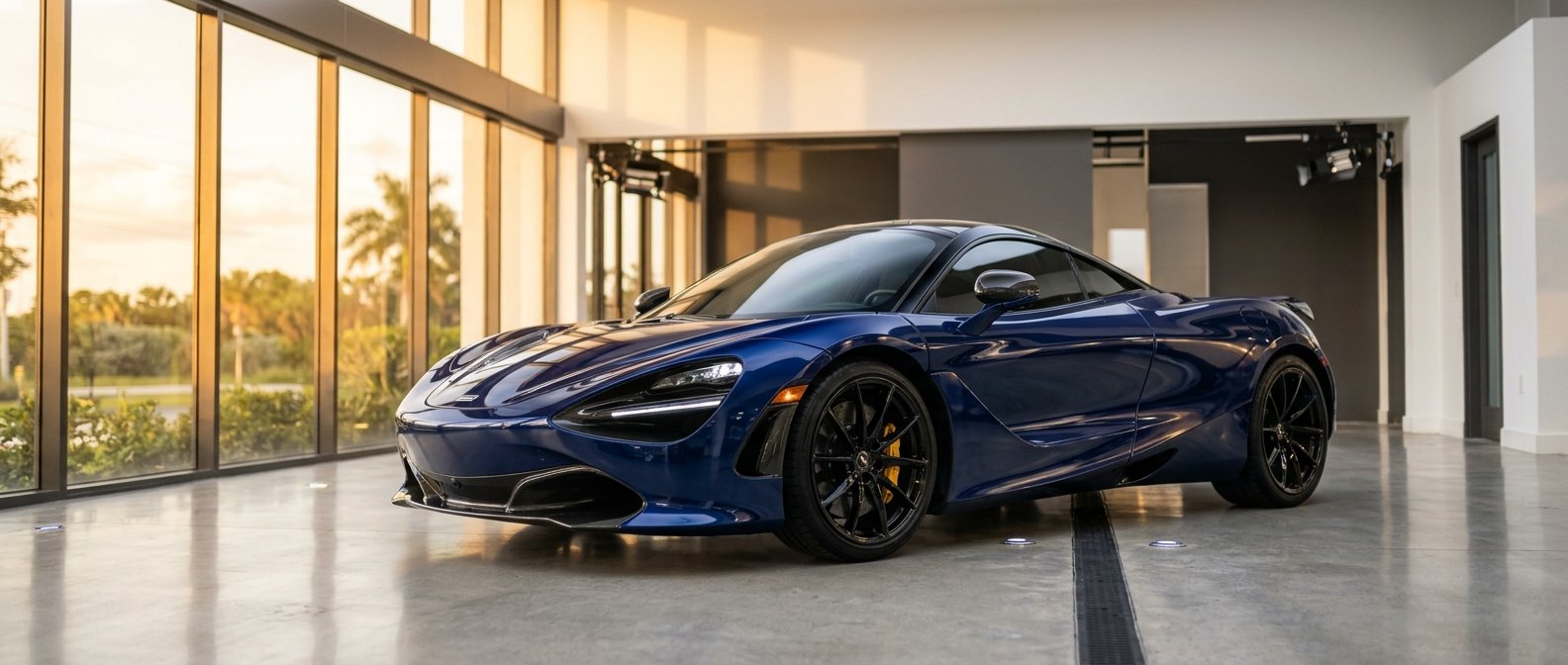
3M vinyl wraps outperform generic alternatives because of their multi-layer film construction, pressure-activated adhesive technology, and the backing of one of the world’s most rigorous materials science programs. For South Florida vehicle owners, fleet managers, and boat owners who need a wrap that holds up against intense UV exposure, humidity, and salt air, the material you choose is not a minor detail — it is the foundation of the entire investment.
- 3M’s film construction uses a multi-layer architecture that resists lifting, bubbling, and edge peeling over time.
- ControlTac and Scotchprint technologies are engineered features — not marketing terms — that directly affect installation quality and long-term adhesion.
- A 3M Certified Wrap Installer must meet training and installation standards set by 3M, which protects your material investment from the start.
- South Florida’s UV index and salt air environment make premium film specification non-negotiable for longevity.
- Generic films may cost less upfront but often require earlier replacement, making them more expensive over time.
How 3M Wrap Film Is Actually Built
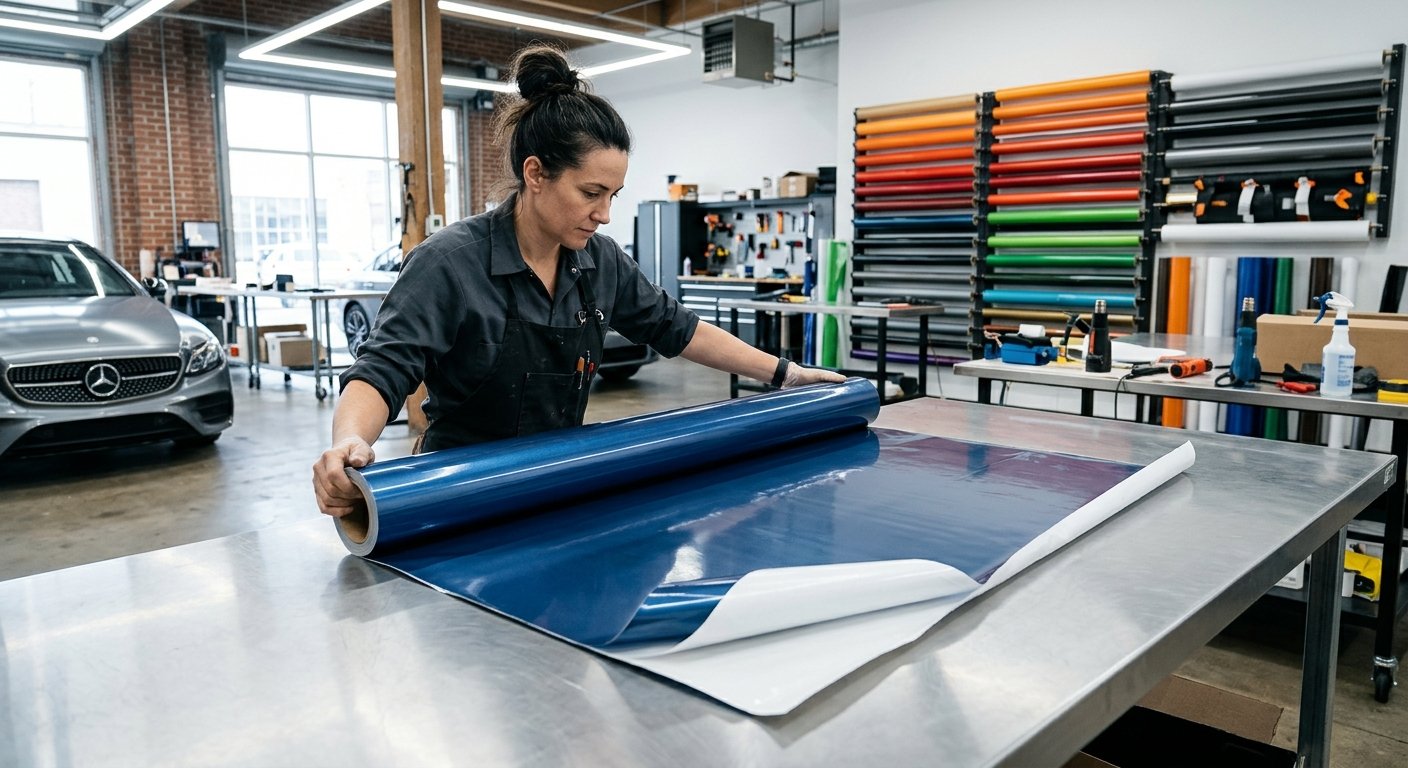
Most people think of vinyl wrap as a single sheet of colored plastic. In reality, professional-grade wrap films like those in 3M’s 1080 and 2080 series are precision-engineered laminates. Each roll consists of a cast vinyl face film, a pressure-sensitive adhesive layer, a liner, and — in the case of films with 3M ControlTac technology — microscopic glass bead structures embedded in the adhesive itself.
Those glass beads are not decorative. According to 3M’s technical documentation on graphic film application, ControlTac adhesive is engineered to allow repositioning during installation by temporarily reducing surface contact. Once squeegeed into place, full adhesion activates. This is the mechanism that allows a trained installer to apply a large panel without trapping air bubbles or misaligning complex curves — a critical advantage on hood panels, bumpers, and boat hulls where geometry is unforgiving.
Cast vinyl is another distinction that separates 3M material from economy films. Cast vinyl is formed by spreading liquid PVC across a casting sheet, which produces a thin, stable film that conforms to three-dimensional surfaces without memory stress. Calendered vinyl — the process used in most budget films — is mechanically stretched, which leaves internal tension in the material. Under South Florida heat, that tension is released as shrinkage. Edges lift. Seams open. The wrap fails before its time.
Cast vinyl and calendered vinyl are not interchangeable terms for the same product at different price points. They are fundamentally different manufacturing processes with different performance ceilings. Specifying cast vinyl is a baseline requirement for any vehicle wrap intended to last in a high-UV environment.
Scotchprint vs. Generic: A Real Comparison
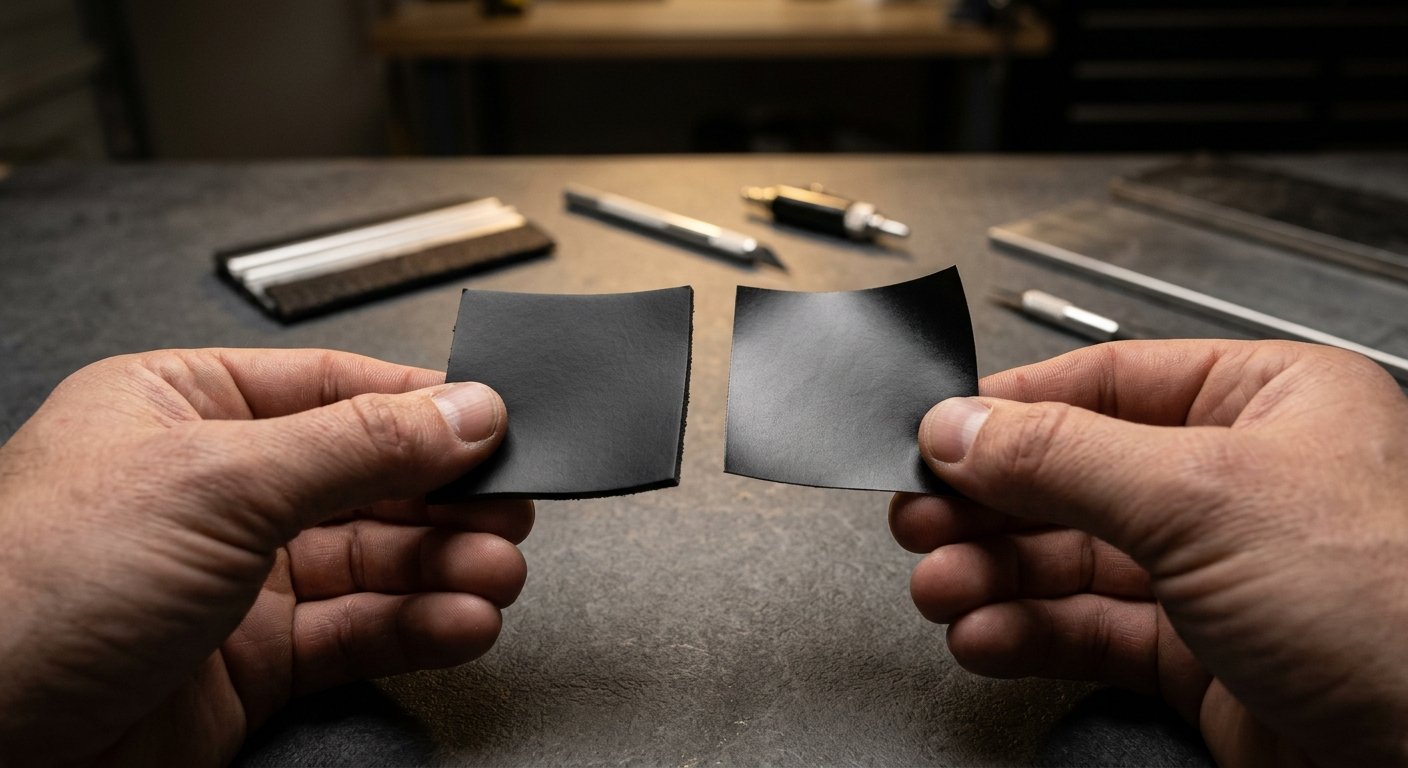
3M’s Scotchprint wrap series is the product line most commonly used by certified professionals on commercial fleets and luxury vehicles. When comparing it directly to unbranded or generic vinyl, the differences show up in several measurable categories.
| Performance Factor | 3M Scotchprint (Cast) | Generic Calendered Film |
|---|---|---|
| Film construction | Cast vinyl, dimensionally stable | Calendered vinyl, internal tension |
| UV resistance | Engineered for prolonged outdoor exposure | Varies widely; often shorter-rated |
| Conformability | Conforms to complex curves without memory | Prone to lifting on recessed areas |
| Adhesive technology | ControlTac repositionable, full-contact activation | Standard pressure-sensitive, repositioning difficult |
| Manufacturer backing | 3M warranty program (see installer for terms) | Minimal or no manufacturer support |
| Removal behavior | Designed for clean removal when professionally installed | Higher risk of adhesive residue or panel damage |
For those researching commercial fleet wraps in South Florida, the removal column deserves particular attention. Fleet vehicles cycle. Wraps need to come off cleanly when branding changes or vehicles are sold. Generic films that leave adhesive contamination behind create real costs — either in professional cleaning labor or in reduced resale value on the vehicle itself.
Why Certification Matters as Much as the Material
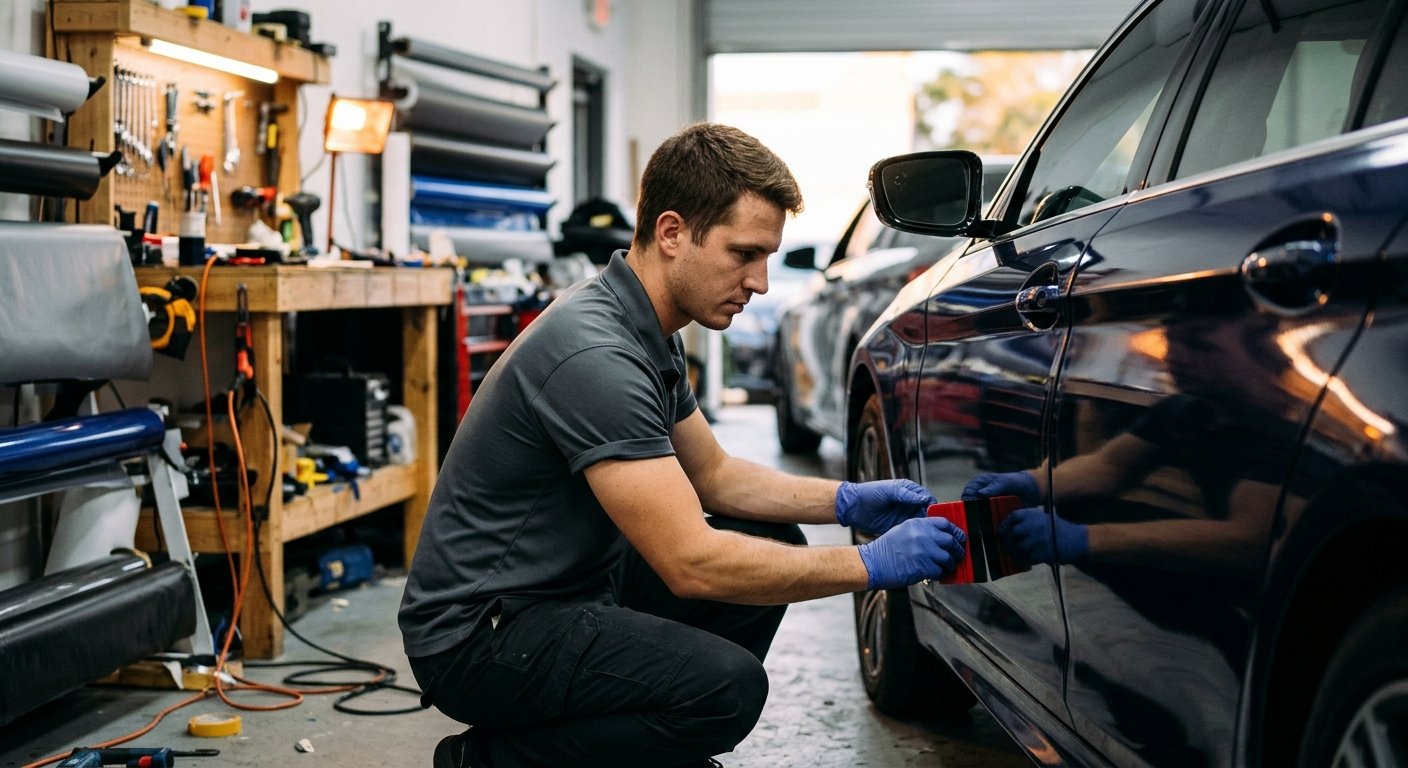
3M does not simply sell film and walk away. The company maintains a network of certified installers who have completed verified training in proper surface preparation, material handling, and application technique. Being a 3M Certified Wrap Installer is not a self-applied label — it requires meeting standards that 3M sets and monitors.
This matters for a practical reason: even the best film performs poorly when installed incorrectly. Contaminated paint surfaces, improper edge sealing, insufficient heat activation during post-heating — these are installation failures, not material failures, but they produce the same visual result. A certified installer understands the full process the material was designed for and executes it accordingly.
At Florida Car Wrap, Steve Hargittai’s 3M-certified installation process applies equally whether the project is a single exotic car, a multi-vehicle fleet, or a marine wrap on a center console. The certification is not a checkbox — it is the framework that ensures the material performs as its engineering intends.
Even the best film performs poorly when installed incorrectly — certification closes the gap between material potential and real-world results.
South Florida Conditions Demand More From Your Wrap
The UV index in South Florida is among the highest in the continental United States. The EPA’s UV Index Scale rates exposure levels that routinely reach 10 or above in the Fort Lauderdale and Miami corridor during summer months. For wrap film, sustained UV exposure is the primary driver of color shift, surface degradation, and adhesive breakdown over time.
Salt air compounds the challenge. Vehicles and boats operating near the Intracoastal, at marinas in Hollywood, or along the Dade County coastline face chloride exposure that accelerates edge lifting on any film where the adhesive bond is less than optimal. This is why marine-grade boat wraps in particular require film specifications that account for moisture ingress at cut edges, not just surface durability.
Premium cast vinyl with a UV-stabilized overlaminate — or a film series that integrates UV protection into the cast layer — is the appropriate specification for this environment. It is also worth understanding that how long a vehicle wrap lasts in Florida’s climate depends heavily on both material quality and how consistently the film is maintained after installation.
Parking in direct sun daily without any UV-protective maintenance routine will reduce the serviceable life of any wrap film, regardless of brand. Material specification buys you resilience, not invincibility. Proper washing and periodic surface protection extend that investment significantly.
What a Proper Wrap Installation Actually Involves
Surface preparation
Paint is decontaminated, clay-barred where appropriate, and wiped with isopropyl alcohol. Any surface contamination under the film will compromise adhesion at that point and eventually spread.
Panel templating and film cutting
Panels are measured and the film is cut with sufficient overlap for proper edge wrapping. Cutting directly on the vehicle using a blade against the paint is a warning sign of poor practice — learn to recognize the signs your wrap installer cuts corners.
Film application and squeegee technique
ControlTac adhesive allows repositioning. The installer works the film into place progressively, using proper squeegee angle and pressure to activate adhesion without trapping air or micro-wrinkles.
Post-heating
A heat gun is used to relax the film around curves, door handles, and recessed areas. This activates the adhesive fully and removes memory stress from the material. Skipping this step is one of the most common causes of early edge lifting.
Edge sealing and final inspection
All exposed edges are sealed and the entire wrap is inspected under controlled lighting. Seams, panel transitions, and high-wear areas like door edges receive final attention before the vehicle leaves the shop.
Frequently Asked Questions
What is the difference between 3M 1080 and 3M 2080 series wrap films?
The 3M 2080 series is the successor to the 1080 and features improved conformability, a thicker cast vinyl construction, and enhanced ControlTac adhesive technology. The 2080 series is generally the preferred specification for vehicles with complex body lines, deep recesses, or curved surfaces. Your installer can recommend the appropriate series based on your specific vehicle and finish goal.
Does a 3M wrap protect the paint underneath?
A properly installed cast vinyl wrap provides a physical barrier between the paint and environmental exposure — UV, light debris, and minor surface abrasion. It is not equivalent to a dedicated paint protection film engineered for impact resistance, but it does preserve the original finish beneath it during its service life. When removed correctly, paint underneath is typically in the same condition as when the wrap was applied.
How do I know if an installer is genuinely 3M certified?
3M Certified Wrap Installers have completed training verified through 3M’s program. You can ask the installer directly for their certification status. A professional installer will have no hesitation confirming this and explaining what the certification covers. Be cautious of installers who claim certification without being able to describe what it involves.
Does 3M wrap film require special maintenance in South Florida’s climate?
Regular washing with wrap-safe, pH-neutral products is recommended. Avoid automatic brush car washes, which can lift edges and cause micro-scratching on matte or satin finishes. Applying a dedicated wrap sealant periodically helps maintain UV protection on the film surface. Salt air exposure — particularly relevant for coastal vehicles and boats — makes rinsing after ocean or Intracoastal exposure a good habit.
Is 3M vinyl wrap appropriate for boat and marine applications?
Yes, with the correct film specification. Marine applications require attention to edge sealing at waterline areas and below-rub-rail surfaces where moisture exposure is constant. Not every 3M film series is rated for full immersion or continuous moisture contact, so working with an installer experienced in marine wraps is essential. The film choice and preparation process for a boat hull differ from a standard vehicle application.
Ready to Specify the Right Wrap for Your Vehicle or Fleet?
Florida Car Wrap serves Davie, Fort Lauderdale, Miami, Hollywood, Weston, and Pembroke Pines — reach out to discuss your project with a 3M-certified professional.
About Florida Car Wrap
Florida Car Wrap delivers premium vehicle wrap services specializing in commercial fleet branding, luxury car customization, and marine-grade wraps throughout South Florida. Led by award-winning wrap professional Steve Hargittai, the company combines 3M-certified materials with competition-proven craftsmanship to serve discerning business owners and automotive enthusiasts who value longevity and quality over price. Their expertise extends beyond vehicles to architectural graphics, wall wraps, and floor wraps, all executed with attention to South Florida's unique climate demands including UV exposure and salt air considerations. Visit floridacarwrap.com →
