
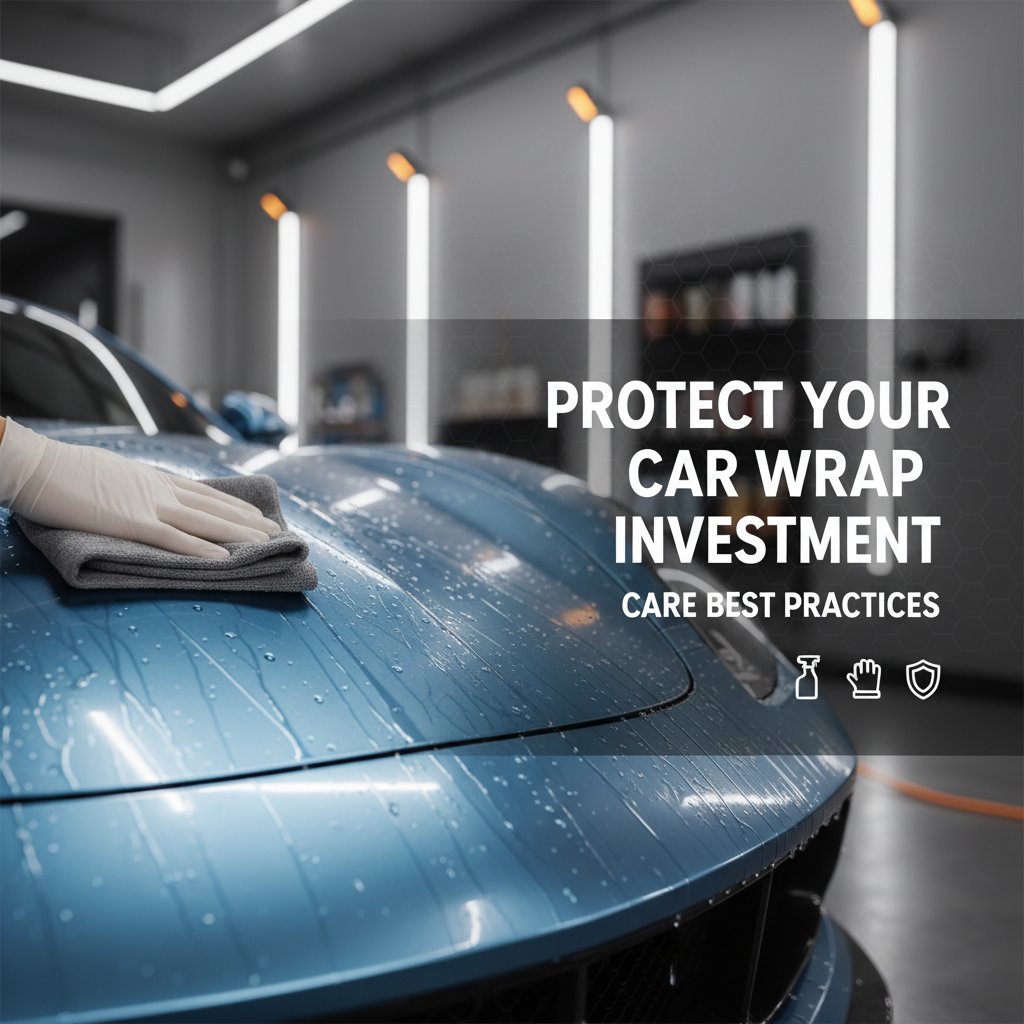
A professionally installed vehicle wrap represents a significant investment in your brand or personal vehicle’s appearance. Quality custom car wraps from premium materials like 3M can last 5-7 years or longer—but only with proper maintenance. The difference between a wrap that maintains its vibrant appearance for years versus one that fades, peels, or degrades prematurely often comes down to how you care for it after installation.
Understanding the specific maintenance requirements of vinyl wrap materials isn’t optional if you want to maximize your return on investment. South Florida’s intense UV exposure, salt air, and environmental contaminants create particularly challenging conditions for vehicle wraps. This comprehensive guide covers the essential practices that protect your wrap and extend its lifespan significantly.
The First 30 Days: Critical Break-In Period
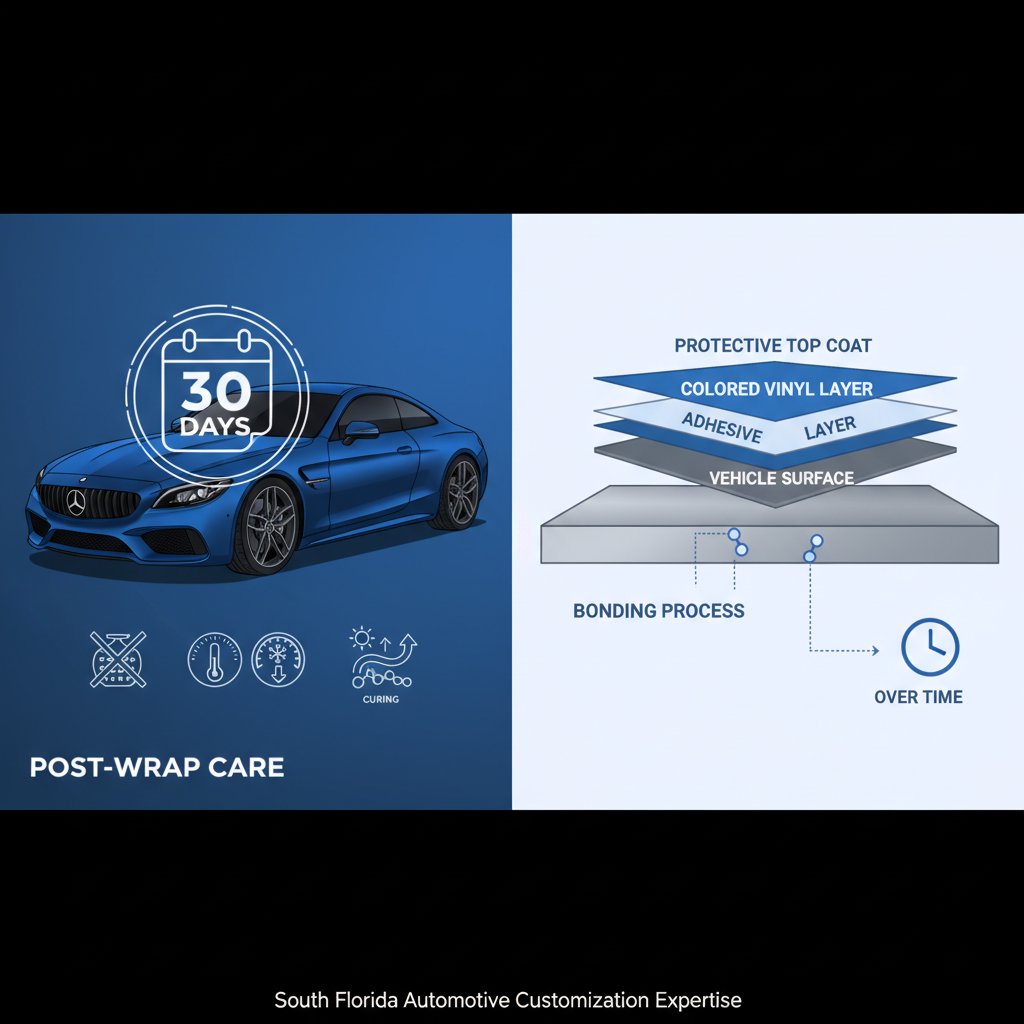
The initial month after professional car wrap installation determines how well the adhesive bonds to your vehicle’s surface. During this period, the vinyl and adhesive system needs time to fully cure and achieve maximum adhesion strength.
Immediate Post-Installation Care
Avoid washing your vehicle for at least seven days after installation. The adhesive continues bonding during this time, and premature exposure to water and cleaning chemicals can compromise this process. If your vehicle gets dirty during this period, use a damp microfiber cloth for spot cleaning only.
Keep your wrapped vehicle out of extreme conditions during the first two weeks. Avoid parking in direct sunlight for extended periods, and don’t expose it to automatic car washes, pressure washers, or harsh weather conditions. While this might seem inconvenient, this break-in period establishes the foundation for years of wrap performance.
After the first week, you can resume normal washing, but avoid waxing or applying any surface treatments for the full 30 days. The vinyl surface needs to stabilize before you introduce additional products.
Washing Techniques That Preserve Wrap Integrity
Regular cleaning is essential for maintaining your wrap’s appearance and longevity, but the methods you use matter significantly. Improper washing techniques cause more wrap damage than any other maintenance factor.
Hand Washing: The Gold Standard
Hand washing provides the safest, most effective cleaning method for custom car wraps. Use a pH-neutral automotive soap specifically formulated for vinyl wraps or painted surfaces. Household detergents, dish soap, and generic cleaners contain chemicals that can degrade vinyl and break down adhesive over time.
Start with a rinse using regular water pressure—never high-pressure washing. Work from top to bottom using a soft microfiber wash mitt or sponge, applying minimal pressure. The goal is removing contaminants without stressing the vinyl or edges. Rinse frequently to prevent dirt from scratching the surface as you wash.
Pay special attention to edges, seams, and recessed areas where dirt accumulates. These areas require gentle cleaning to avoid lifting edges, but they can’t be neglected. Use a soft detailing brush for textured surfaces or tight spaces.
After washing, dry your vehicle immediately using clean microfiber towels or a silicone squeegee. Air drying leaves water spots that, in South Florida’s mineral-rich water, can etch into the vinyl surface over time. Blow out water trapped in crevices, door jambs, and around trim using compressed air or a leaf blower on low setting.
Automatic Car Washes: Proceed with Caution
While hand washing remains ideal, touchless automatic car washes offer an acceptable alternative when used correctly. Choose touchless systems that use water and soap only, avoiding any brushes or physical contact with your wrap. Even soft-cloth systems can catch on wrap edges and cause lifting or damage.
Never use automatic car washes with rotating brushes, harsh chemicals, or high-heat drying systems. The combination of mechanical agitation and chemical cleaners designed for paint can compromise vinyl integrity rapidly. Some 3M car wraps south florida installations include specific guidance on which local car wash facilities are safe for wrapped vehicles.
Pressure Washing Guidelines
If you must use a pressure washer, follow strict parameters to avoid damaging your wrap. Keep the nozzle at least 12 inches from the surface, use water temperature below 140°F, and maintain pressure under 2,000 PSI. Never aim the stream directly at edges, seams, or any area where vinyl meets the vehicle surface.
Hold the nozzle at a 45-degree angle and keep it moving constantly. Concentrated pressure in one spot or direct perpendicular angles can force water under the vinyl, causing bubbling and adhesive failure. Many professional installers recommend avoiding pressure washing entirely if you’re unsure about proper technique.
Protection from Environmental Threats
South Florida’s climate presents unique challenges for vehicle wraps. Proactive protection against environmental factors significantly extends wrap life and maintains appearance.
UV Defense Strategies
Ultraviolet radiation causes the most significant long-term damage to vehicle wraps, breaking down vinyl compounds and fading colors. Premium materials like 3M’s wrap films include UV inhibitors, but additional protection maximizes longevity.
Park in covered or shaded areas whenever possible. Garages, carports, or even tree shade reduces cumulative UV exposure substantially. For vehicles that must park outdoors regularly, consider a breathable car cover designed for wrapped vehicles—never use covers on damp vehicles, as trapped moisture creates worse problems than UV exposure.
Apply a wrap-specific sealant or ceramic coating designed for vinyl surfaces. These products add an extra layer of UV protection while making the surface more resistant to contaminants. Professional vehicle wrap design services often recommend specific products compatible with the materials used in your installation.
Contaminant Removal
Remove bird droppings, bug splatter, tree sap, and other organic contaminants immediately. These substances contain acids and compounds that can permanently stain or etch vinyl if left for extended periods. Keep detailing spray and microfiber cloths in your vehicle for quick spot cleaning.
For stubborn contaminants, use specialized removers designed for vinyl wraps. Isopropyl alcohol (70% concentration) effectively removes many substances without damaging vinyl, but test in an inconspicuous area first. Never use abrasive tools, scrapers, or harsh solvents that can scratch or dissolve the vinyl surface.
Salt spray from coastal environments requires special attention. If you drive near the ocean regularly, rinse your vehicle more frequently to prevent salt buildup. Salt accelerates corrosion of underlying metal and can degrade wrap adhesive over time.
Long-Term Maintenance and Inspection
Proactive monitoring helps you identify and address minor issues before they become expensive problems requiring professional intervention or premature wrap replacement.
Regular Inspection Protocol
Conduct a thorough visual inspection monthly, examining edges, seams, and high-wear areas like door handles and fuel doors. Look for lifting edges, color fading, bubbling, or any signs of adhesive failure. Early detection allows for simple repairs that prevent extensive damage.
Pay attention to edges around doors, trunk lids, and hoods where repeated opening and closing creates stress on the vinyl. These areas often show wear first and may require occasional professional attention to re-secure edges.
Check for water intrusion after washing, especially around mirrors, emblems, and trim pieces. If water appears trapped under the vinyl, consult with professional car wrap installation specialists immediately. Trapped moisture causes adhesive breakdown and potential corrosion of your vehicle’s surface.
Professional Maintenance Services
Consider annual professional inspections and maintenance, especially for commercial fleet vehicles where appearance directly impacts brand perception. Professional installers can re-apply heat to settling areas, re-secure edges, and identify potential issues you might miss.
Some shops offering car wraps south florida include maintenance packages with installation, providing periodic check-ups and minor repairs as needed. These programs often prove cost-effective compared to addressing major failures that develop from neglected minor issues.
What to Avoid: Common Wrap-Damaging Mistakes
Understanding what not to do is as important as knowing proper care techniques. These common mistakes cause preventable wrap damage:
- Abrasive cleaning tools: Scrub brushes, abrasive sponges, or rough towels scratch vinyl surfaces and dull the finish permanently.
- Petroleum-based products: Many tire shine products, degreasers, and cleaners contain petroleum distillates that break down vinyl adhesive and cause discoloration.
- Wax products: Traditional car waxes leave residue in vinyl’s texture, creating a cloudy appearance. Use only wrap-specific sealants.
- Heat exposure: Avoid parking near heat sources or applying heat guns to already-installed wraps unless performed by professionals addressing specific issues.
- Adhesive products: Never apply stickers, tape, or magnetic signs directly to wraps. Adhesive residue is extremely difficult to remove and can damage vinyl when cleaned.
- Delayed repairs: Small lifting edges or minor damage spreads quickly if ignored. Address issues promptly to prevent costly extensive repairs.
Storage and Seasonal Considerations
For vehicles not driven year-round or seasonal use vehicles like exotic cars, proper storage protects your wrap investment during inactive periods.
Store wrapped vehicles in climate-controlled environments when possible. Extreme temperature fluctuations stress vinyl and adhesive systems. If indoor storage isn’t available, use a high-quality, breathable car cover specifically designed for wrapped vehicles.
Clean your vehicle thoroughly before extended storage. Contaminants left on the surface for months can permanently bond to or stain vinyl. Apply a wrap-specific sealant before covering to provide additional protection during storage.
Start stored vehicles periodically and move them slightly to prevent flat spots and ensure the wrap doesn’t develop stress points from remaining in one position for extended periods.
Maximizing Your Investment Through Proper Care
Professional custom car wraps represent a significant investment in your business brand or vehicle’s aesthetics. The maintenance practices outlined here aren’t complicated or time-consuming, but their impact on wrap longevity and appearance is substantial.
Quality materials installed by certified professionals provide the foundation, but daily care determines whether your wrap looks fresh for three years or seven-plus years. Regular hand washing, immediate contaminant removal, UV protection, and proactive inspection create a comprehensive maintenance approach that preserves both appearance and adhesive integrity.
The difference between adequate care and excellent maintenance often means thousands of dollars in extended wrap life and sustained visual impact. For commercial fleets, this translates to more years of brand exposure per installation dollar. For luxury vehicle enthusiasts, it means maintaining that show-quality appearance that prompted the wrap investment initially.
South Florida’s challenging environmental conditions make proper wrap care even more critical. The combination of intense sun, salt air, and year-round heat accelerates wear on neglected wraps but has minimal impact on properly maintained installations using premium materials.
If you’re considering a vehicle wrap or want to ensure your existing wrap receives professional-grade care and maintenance, consultation with experienced specialists provides personalized guidance based on your specific materials, vehicle type, and usage patterns. Proper care starts with understanding exactly what your wrap needs—and what it should never encounter.
Protect your investment with the same level of quality and attention that went into its creation. Your wrap will reward proper care with years of stunning, professional appearance that continues delivering value long after installation.
